Best Underwater Visibility Months at WA Reefs is the most common question from both divers and snorkellers. It comes with a simple answer: coldest water usually matches the calmest part of the dry season (from April to October), and, in particular, a beautiful reef takes place along with low levels of plankton, wind, and weather.
My name is Dominic Hawthorne, and from my life at sea I can summarize everything I have learned about common myths and misconceptions regarding adventure at the seas specially when we book the perfect month when we are supposed to count on a calm sea.
The best reef season implies that the days are warm and there is no wind. For those interested, the prime WA reef season offers great opportunities. What is more, rains do not disrupt the situation either. Generally, it means experiencing clear visibility, especially because every region in Western Australia can experience its own weather.
Summarized answer to a question about underwater visibility in WA Reefs
As a rule, the best months for visitors in.
Ningaloo and Exmouth: generally, the best months listed by me for both visibility and wildlife are April, May, June.
Coral Bay and the Muiron Islands: as with Ningaloo and Exmouth, April to June for various reasons is when you would want to plan a visit.
Abrolhos Islands: late April to June along with September to November provide a better chance of visiting WA reefs than in winter, where the level of storm activity is at its maximum. On the contrary, summer does not guarantee large underwater visibility because strong tropical cyclones can appear at this time. When it comes to Ningaloo visibility months, the numbers will be different but it’s safe to venture to say that on decent days you’ll get 15-25 meters of visibility, with the best days reaching beyond that number. It’s during whale shark season in Ningaloo that most travelers try their chances, which is one of the reasons why so many tourists attempt to go during this period (April – July). For those of you who are just hunting for a good day of visibility, I would say that there are options out there as well, especially in the months of August and September.
Coral Bay
The situation with Coral Bay visibility is roughly the same as above, but the waters can look great at one site but a little green because of local factors (exposure, currents, tides). However, depending on the weather conditions, snorkeling is usually more forgiving than in Exmouth.
In fact, for travelers, I’d recommend anytime from May through July, because the water is usually clear enough for the reef formations to be easy to spot, marine life is active, and the air temperatures are appropriate for day excursions. The only thing to keep in mind is that you have to accommodate beginners and this means choosing a different time of the day that will create optimal snorkeling conditions.
Abrolhos
Abrolhos Islands have very different visibility conditions. This is because the islands are located off Greater Geraldton, in a zone that is exposed to southern weather systems, so the water is actually beautiful when it calms down, but not every month is a good month for visibility.
So, the best options will be to visit either in late autumn or spring, because Christmas fronts tend to spoil everything in winter, and although summer offers perfect conditions above water, it doesn’t mean that the visibility is going to be good during that season.
Other reefs
Speaking of the rest of the reefs in Western Australia, the situation is quite similar to the above-mentioned reefs, particularly with the Muiron Islands, which are located just next to Exmouth. Wherever you find yourself, the waters can be less forgiving than in Coral Bay.
Other reefs include the Lacepede Islands, which are located in northern WA, and are affected by tropical weather and running season, which means that luck alone won’t be enough for visitors. If you want to go there, get an operator with experience and make sure that there will enough time to adjust to changing circumstances.
Factors Influencing Clarity
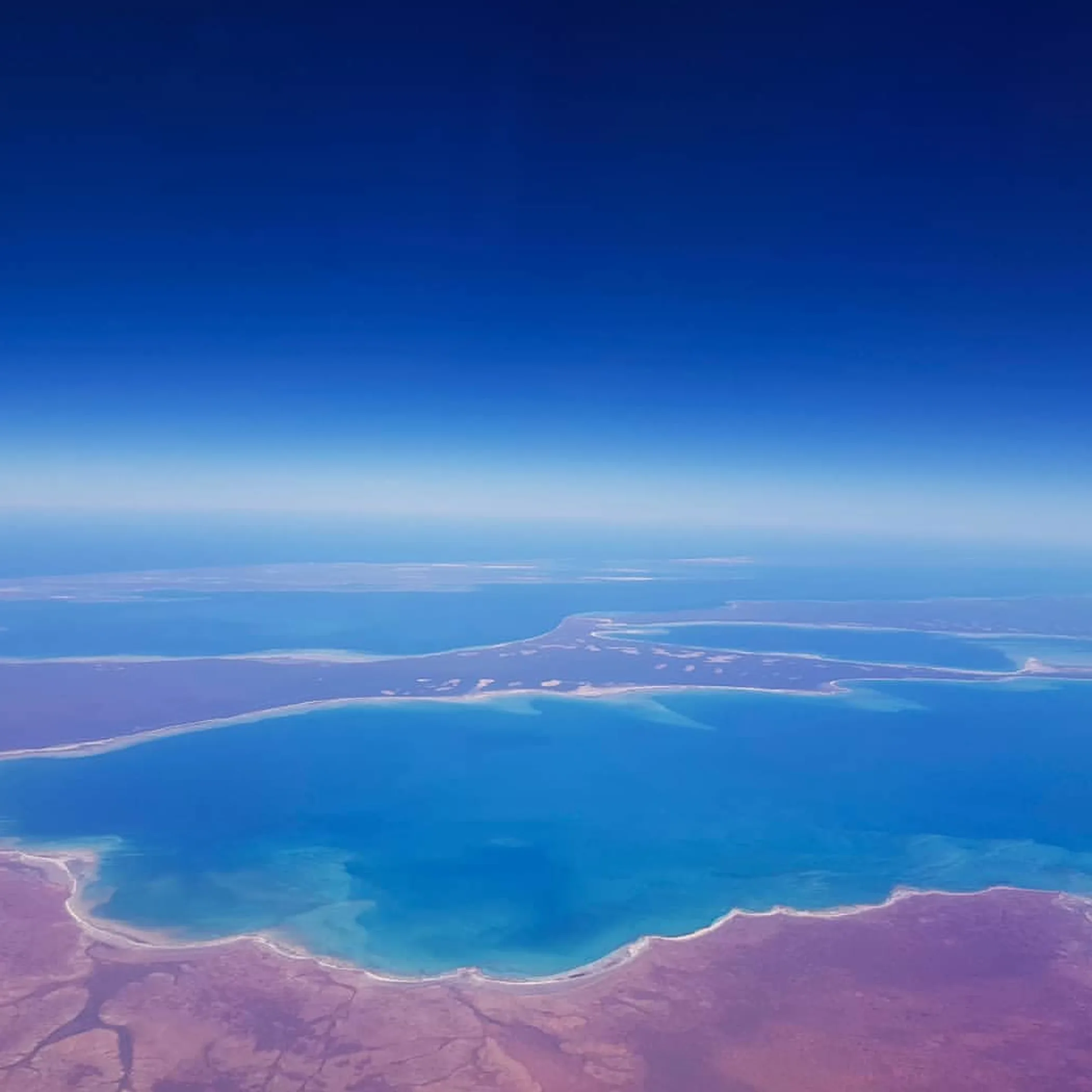
Visibility in WA is related to how water has been reacting these past days, and not simply to the weather conditions. It happens that tourists come to the boat ramp and expect good visibility right away, but sometimes it’s too late to see all the underwater beauty.
The problems are wind, swell, and chop, with swell carrying sand and sediment.
Runoff is especially important nearshore and when the weather pattern leads to larger weather events. The Northern WA reefs don’t behave like any river-dense tropical coastline that can be found everywhere else in the world, yet rainfall, creek discharge, and sediment displacement in the vicinity of the boat ramp or beach area, can still influence water clarity.
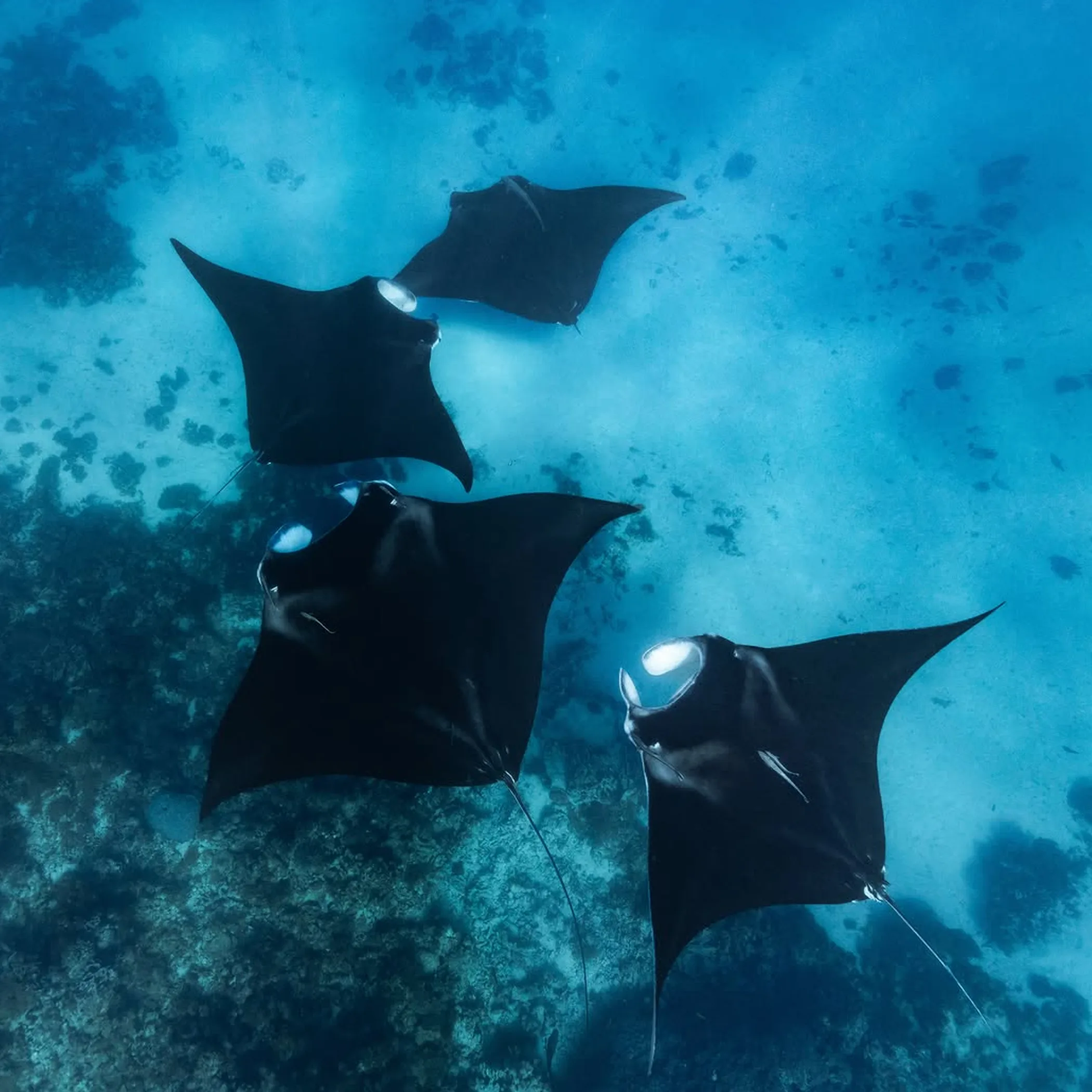
Plankton bloom is the second factor. More plankton means more life in the water, but not always clearer water. Whale sharks, mantas, and feeding events can also happen in slightly cloudy water. A great wildlife day, but not a very good photography day.
The Tides And Current
Tides and current more significantly determine the local conditions than many beginners can expect. The incoming tide will sometimes wash in cleaner water to the water’s edge around some reef systems. Whereas, the outgoing tide can wash the particulate matter back across some shallow areas. The actual pattern is site-specific, which is why the information provided by the local operators is valuable.
The Bureau Of Meteorology recommends that mariners check the weather for wind and sea conditions, and be aware that the coastal conditions can change in a blink of the eye. Find out about the forecasts and warnings by visiting the website of the Bureau Of Meteorology Marine Forecasts For Western Australia Waters.
A Month By Month Guide
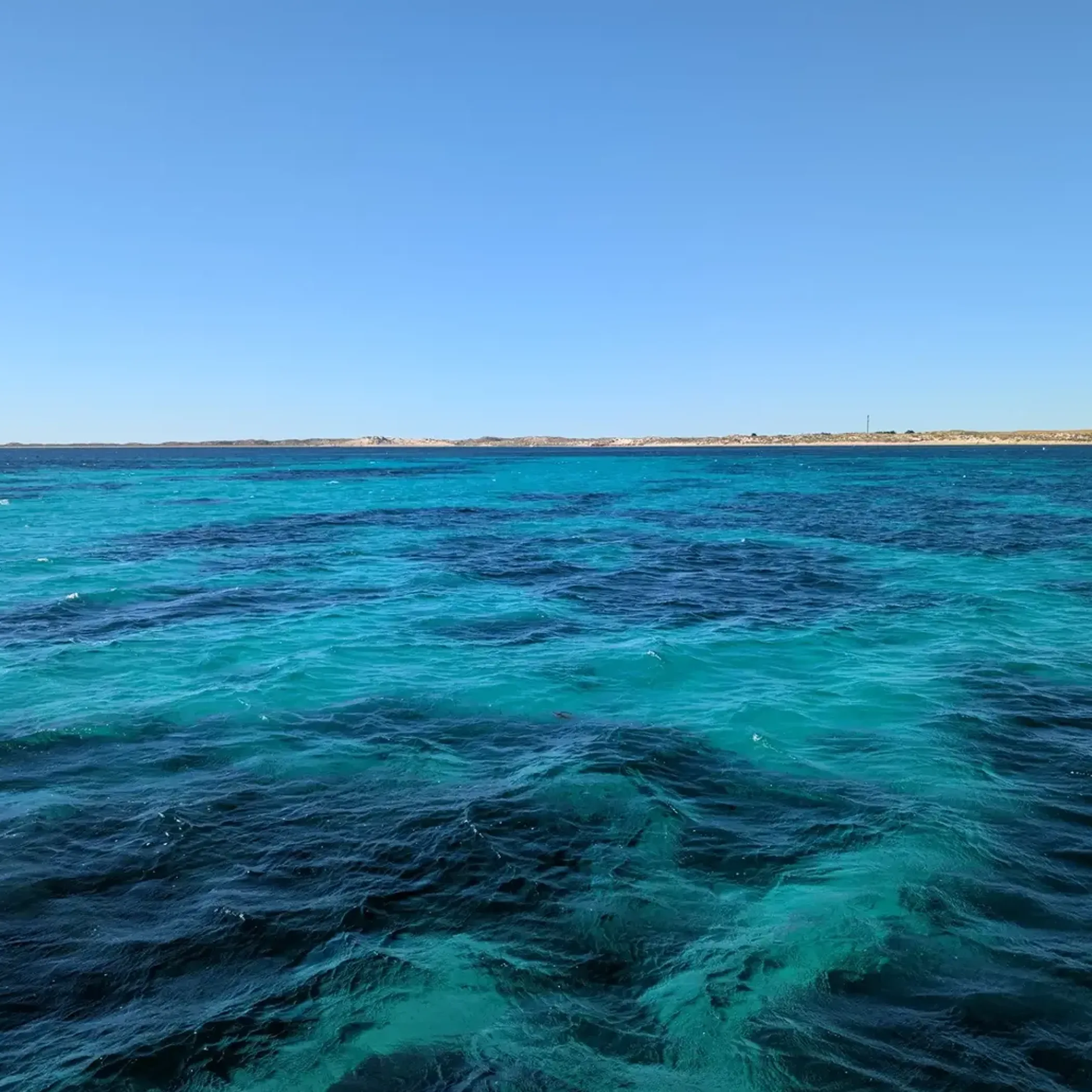
This is the fun bit that the most travelers are interested in – what a typical month could look like. Keep this in your mind as a field guide not as an absolute truth, as the recent swells, tides and currents, and local weather are all terribly important things that you should not ignore.
I’d rather provide you with some realistic estimates than lies. If a website promises free blue water days, they may have a dubious intention.
Water Temperature Notes
In fact, WA reef water temperature by month changes very much by the latitude lines. Around the Ningaloo and Coral Bay, many divers are looking for the low-20s °C water temperature during the winter months and high-20s °C in summer, yet things always differ. I have seen many rugged people dive in and happily swim out, only to leave half an hour later gossiping about their experience. Being tough does not mean you will get fish to come to you.
Wildlife, Clear Water
One of the best things about the reefs in Western Australia is that the sightings of wildlife and famous wildlife season happen together, although not completely always. If you’re trying to combine popular marine life with clear water, you will need to choose what you value more.
Expectations often lead to surprises: the best month for wildlife sightings can be different from the best month for photography. More wildlife does not only mean more boats, it also means more plankton and more people in the water.
Whales and Mantas
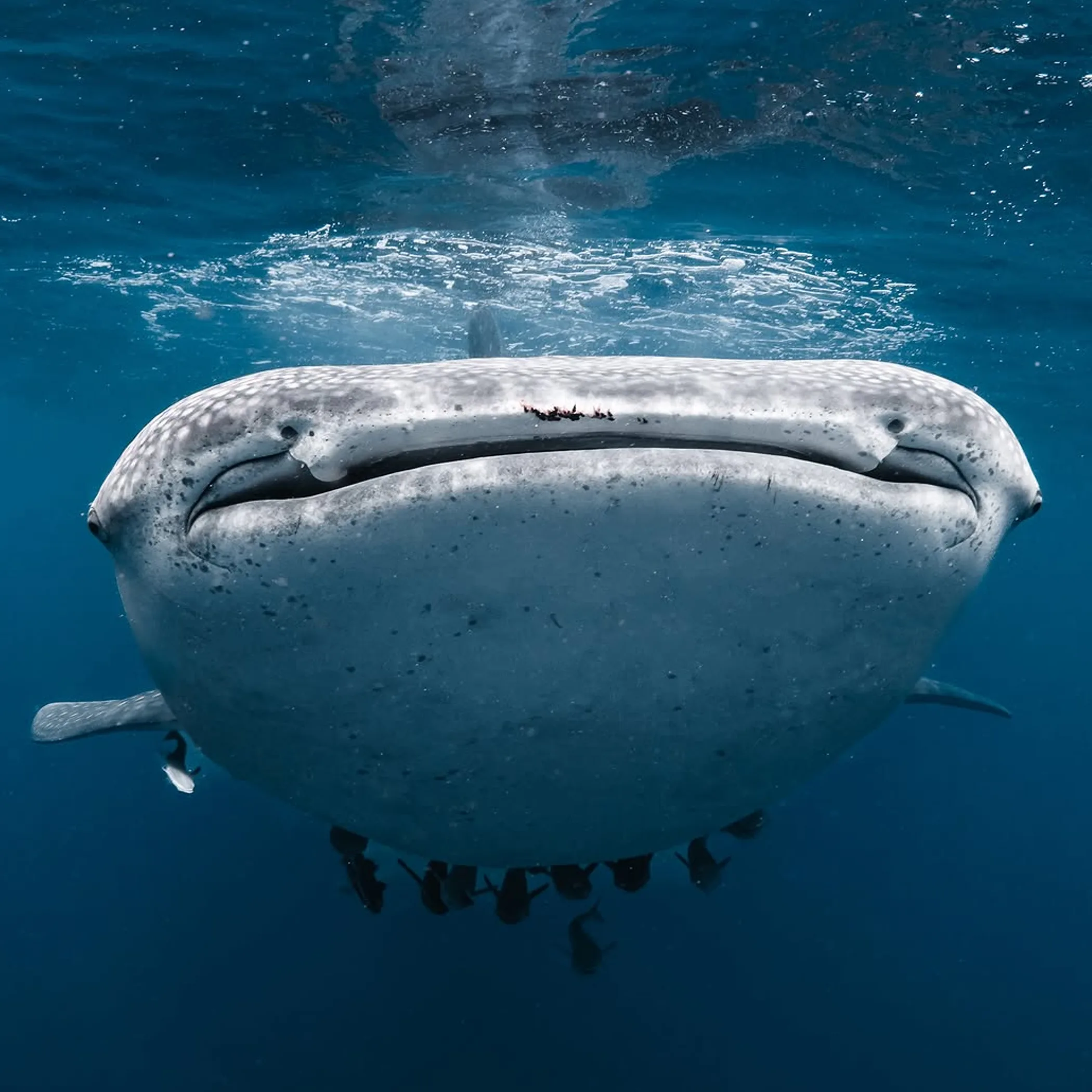
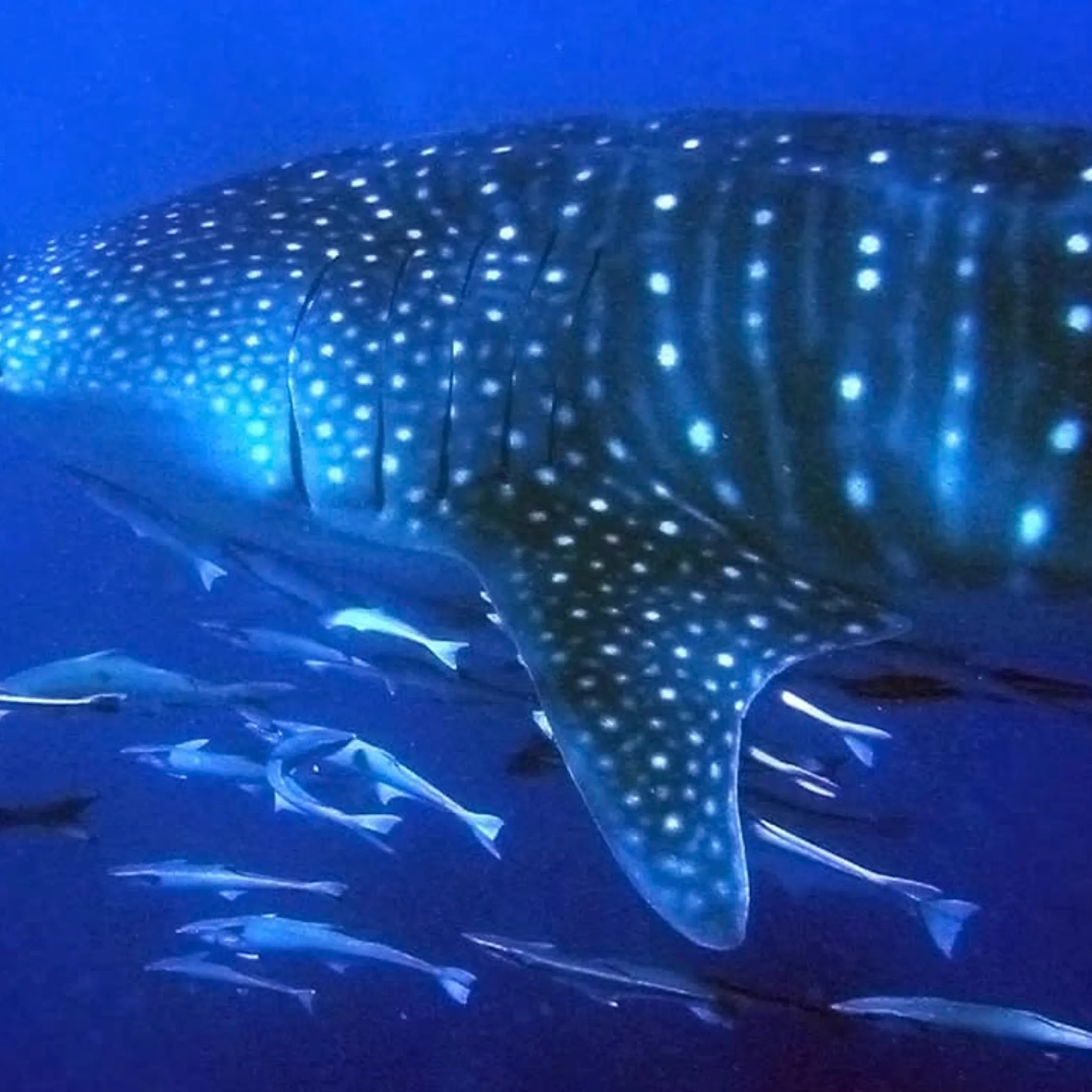
The best time for whale shark sightings is from March or April until July. It perfectly overlaps with the best months for visibility, which is why many people go during this period. If you want to swim with whale sharks, May and June will be your best time.
Coral Bay is known for sightings during all seasons, but it can be different in every particular day. Even if it’s not the time of perfect visibility, that does not mean that you cannot see some. Do not treat wildlife planning like a spreadsheet.
Humpbacks and Turtles
Humpbacks usually pass by in winter and spring. Turtles can be found all year round, but your experience would depend largely on the weather condition. With bad weather, even a very rich site can lose attractiveness.
If you can, try to take a boat trip and I would go in the early morning in either May or June.
Plan the day properly
A trip to a reef can be spoiled if there was no proper planning of parking places, instructions and other logistical issues.
Most people get stuck in the process of choosing a month, but forget about all other things that have a bigger influence on your experience.
Where to get there and when
Exmouth can be reached either by a flight or car from Perth. Coral Bay can be reached by road as well, but it takes time to get there. The distances in WA are very large. If you’re driving, do take into account the fact that you will need to make breaks, refuel etc.
If you want to go on a trip to Ningaloo, make sure to get there not only on time, but earlier, because sometimes there are long queues.
Ningaloo shore snorkelling is an excellent option for beginners in calm water conditions; the best place to try is at Coral Bay. Boat dives around the Muiron Islands or on more exposed sections of reef will be best suited for confident swimmers and certified divers who are happy in current and open water conditions. The Abrolhos would be generally assumed as more suited for visitors who are able to handle travel by boat, changing weather, and unpredictability without freaking out at the first bit of spray.
Ningaloo shore snorkelling? Not for beginners? Yes for remote offshore trips against strong current. No for easy lagoon snorkelling on settled days. Know the difference before you book.
Safety First and Leave No Trace!
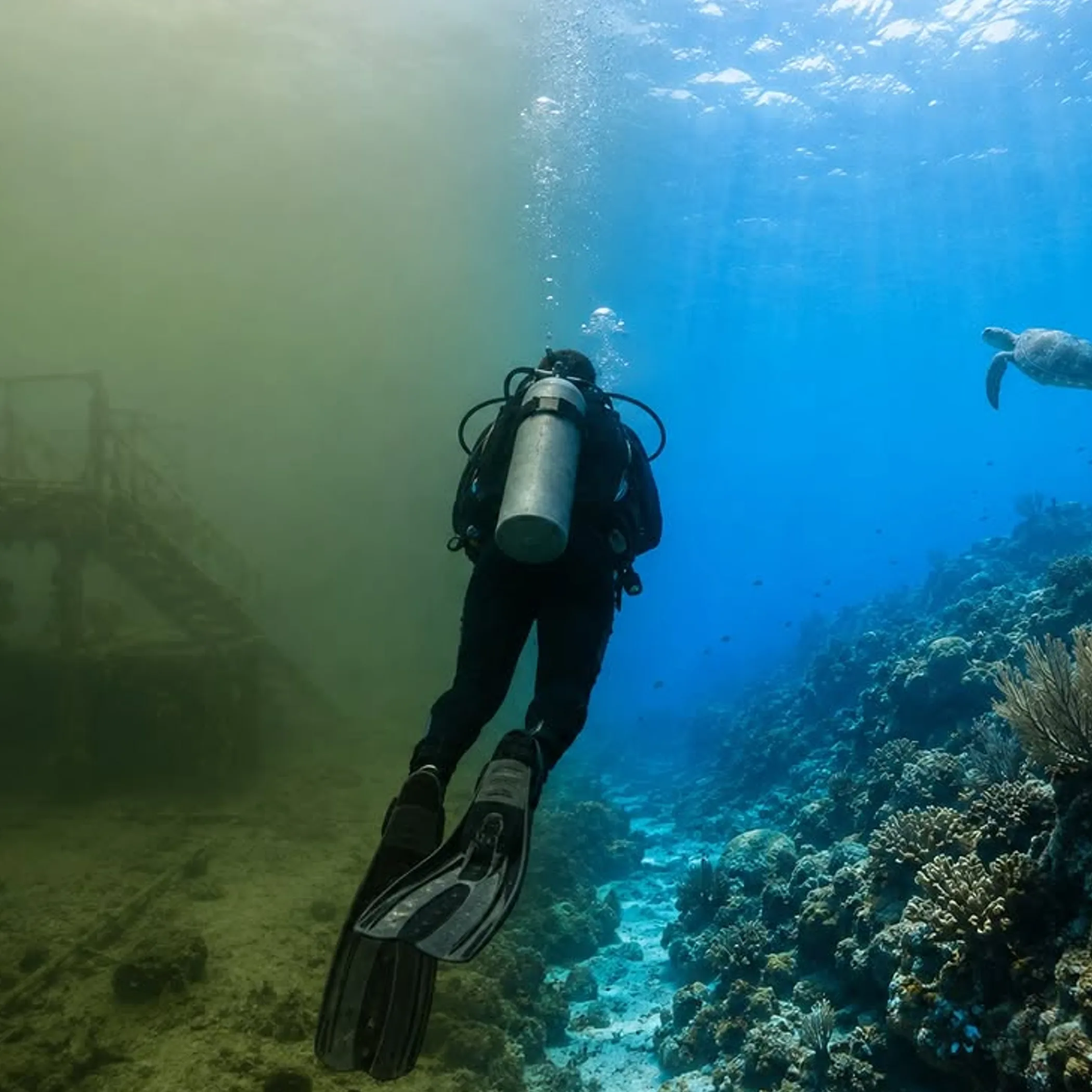
The best reef day is when you return safe with all your equipment in your possession, your skin unburned and reef unharmed as a result of your visit. It might seem to be an obvious statement, but every season someone manages to find a way to challenge this point.
Dominic Hawthorne knows various little things he had been doing wrong to get where he is now: not checking tides, purchased cheap fins, went out without sufficient water, thought the entry to the beach looked simple.
Important Safety Notes
The 120 rule in scuba diving is a special meaning for keeping together depth and bottom time in some limited way as part of planning used in various training environment; however, divers are recommended to follow the official standards of certifying and following operator’s briefing rather than relying on the pub interest version. Recreational divers should also respect no-fly time limits and never consider nicknames instead of proper training.
Conditions, sanctuary zones and access limitations can change throughout different days in marine parks. Therefore, it’s recommended to check with local operator and read official information before going in the water. Additionally, keep in mind that cyclonic conditions in northern WA may happen from November to April and bushfires in southern areas can interfere with road access.
- Check the forecasts, swell, wind first in the evening then again in the morning.
- It’s better to choose mornings to get clearer water and calmer conditions above the water.
- Observe sanctuary zones and distance rules for wildlife.
- Do not hesitate to cancel if the sea seems to be inappropriate for your level of experience.
Answers to frequently asked questions
These questions are often asked after people see brochures and realize that they do not mention seasickness, bad timing and etc. This is fair enough.
Here are the answers to below questions.
When Is The Best Month To Go To Ningaloo?
If you want maximum number of species and visibility, choose May as the best month. Alternatively, you could choose between April and June depending on whale sharks, calmer weather, less crowd.
When does Coral Bay get the clearest days?
Usually, during autumn and winter during calm mornings. However, chances of high visibility change from time to time, so it’s better to have flexible dates than exact ones.
Is WA reef snorkelling too cold in winter?
Usually not, provided that you have a good wetsuit. However, often wind chill is higher than just going inside the water.
What Is The 120 Rule In Diving?
It is a simplified concept sometimes used in the diving training process but does not substitute proper dive tables, diving computers, briefing, etc.
What Month Is Best For The Great Barrier Reef?
This is a completely different system so don’t base east-coast timing in Western Australia. When it comes to the reefs of WA, especially for Ningaloo Reef and locations close to it, autumn and early winter is more better off for visibility planning.
Final Word From The Jetty
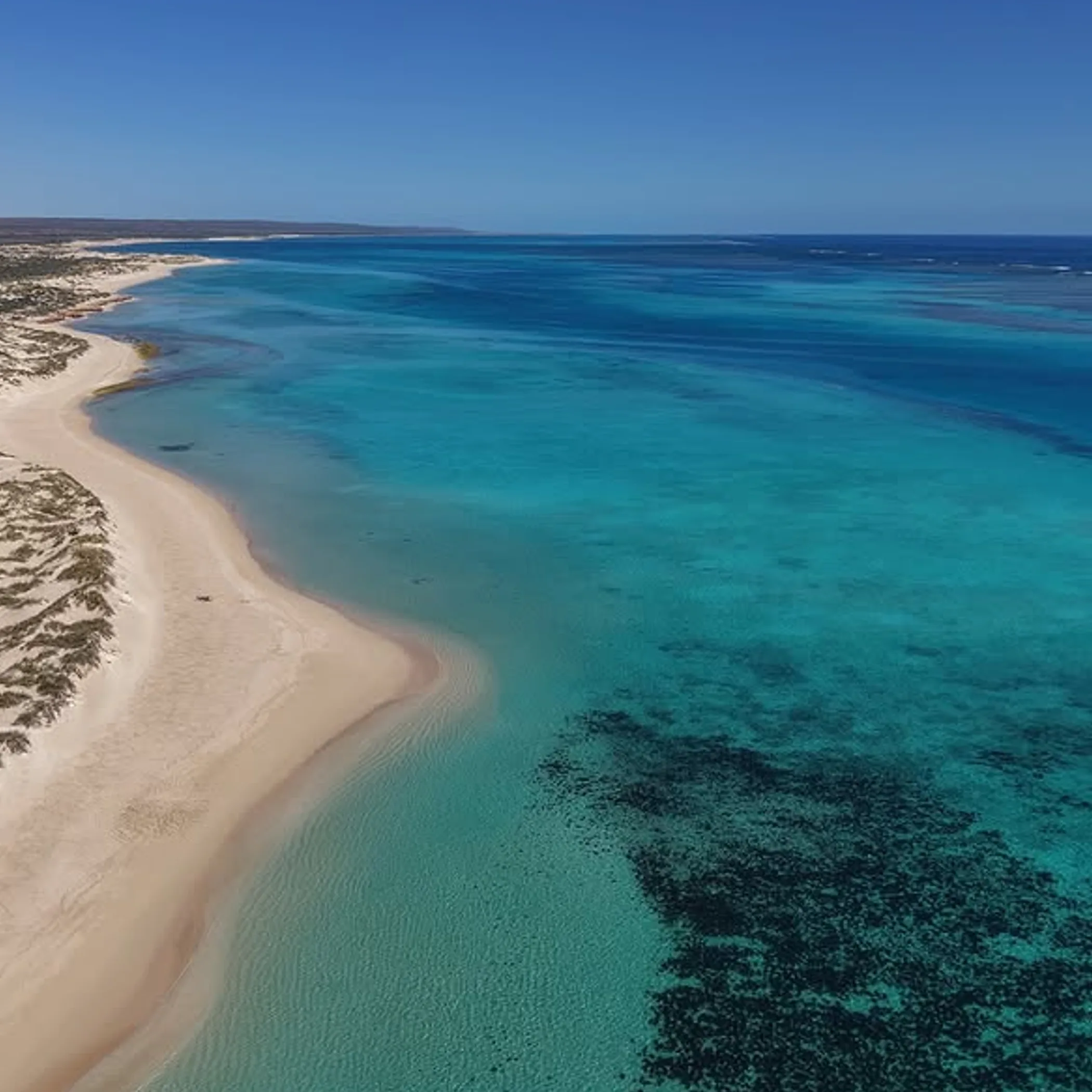
If you’re looking for the best months for visibility for Western Australia reefs, start off with April – July for Ningaloo, Coral Bay and nearby reef systems, including changing for specific location, weather windows, and what you’d like to see. In the case of the Abrolhos, late autumn and spring can make more sense than going for winter.
The truth is underwater visibility western Australia is partly science, timing, and a little luck. If you try to use the resources available, look for the dry season, book in the morning, listen to locals, and plan in a spare day if you can. You may not be guaranteed blue-water, but you’ll definitely have a good plan to maximize your chances of having an epic reef day.
