The time has come for a bit of winter maintenance on the home. It is not the most glamorous of chores but it is practical. An hour or two spent getting ready will go some way to shielding your roof, your budget and your heating system from what the cold air and dampness have in store before the rain sets in.
I am Dominic Hawthorne. I have had my share of blocked gutters, windows that are not well sealed and sheds that would not stay dry; one comes to appreciate that winter is kind to those who are organised and less so to the “she’ll be right” types. In this guide I lay out the must do’s for any Melbourne homeowner, from roof and drainage to keeping pipes from freezing and making sure your heating is safe.
Biggest Risks First
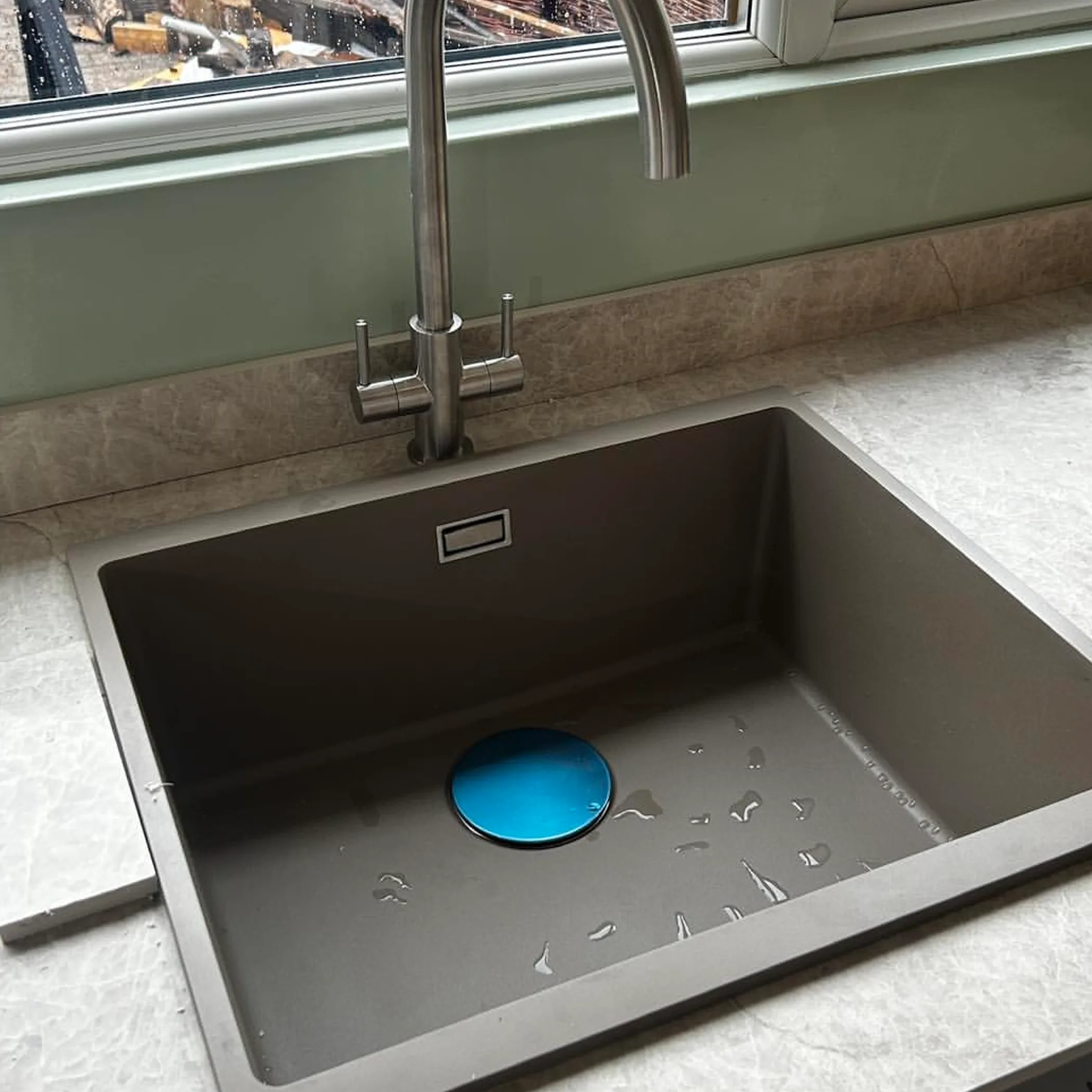
When it comes to property maintenance in a Melbourne winter, you are better off tending to water and safety, including preventing frozen pipes, than cosmetic matters. A tile on the loose is of more consequence than a cupboard door with a squeak, even if they both like to make their presence known at an inopportune moment.
After a good rain, put in a walk around the place (weather permitting). Be on the lookout for anything from peeling paint and ceiling stains to musty odours, damp walls and water pooling. More often than not these are indicators of a minor flaw that will turn into an expensive repair.
What To Do If You Are Short On Time
Concentrate on areas of the house where there is potential for harm to your health or the building. For a typical unit or house in Melbourne the table below offers a sensible approach.
| Priority | Area | What needs checking | Time allowed |
|---|---|---|---|
| 1 | Roof and drainage | Tiles, flashing, downpipes, stormwater, leaks | 60–90 min |
| 2 | Heating and safety | Smoke and carbon monoxide alarms, filters, gas heater service | 30–60 min |
| 3 | Moisture control | Ventilation, exhausts, condensation, any mould in cupboards | 45–60 min |
| 4 | Plumbing | Hot water system, outdoor taps, hoses, exposed pipes and leaks | 30–45 min |
| 5 | Windows and doors | Draughts, locks, weather sealing and gaps | 30–60 min |
Allow for longer after a storm, or if the roof is steep and you are dealing with restricted access; in which case get a licensed trade. One does not put oneself on a wet roof to be economical.
Get the Gutters in Order
Your gutters and downpipes stand between you and the worst of Melbourne’s winter rain. Debris such as leaves and roof grit can obstruct them and drive water into the eaves or behind the fascias.
You will find people who give the gutters once over, see nothing amiss and consider the matter closed. The trouble is usually hidden in the downpipe or at the stormwater connection, waiting for a decent downpour to reveal itself.
Testing for Overflow
Put on some gloves and set up a ladder. Make sure the ground is level or have someone steady it for you and keep your feet planted, no straddling. Run a bucket of water through each section of the gutter to see it makes its way to the downpipe without issue.
See that the downpipes are discharging where they should and not on the foundations. Note any rusted joins, cracked brackets or water on the fascia. A photo now will tell you later if a gutter is on the decline. With a two-storey or a lot of trees about, leave the cleaning to a professional. Bravery and a ladder are no substitute for a fall-arrest system.
Stop Roof Leaks in Their Tracks
They do not start as a waterfall in the lounge. A leak might be a smudge of brown, some bubbling paint or a dampness in the cavity. It is far less of an undertaking to inspect early on than to be replacing flooring and plaster.
From the ground you can spot any damage to metal sheets, tiles or ridge capping, or deteriorated flashing by the chimney and vents.
Inspect Ceilings And Flashing
Inside, have a look at the ceilings and cornices and any wardrobes abutting an outside wall. Do so in particular when the rain has been heavy. Water has a way of following the rafter and showing up metres from where it came in, so a stain is no help in pinpointing the source. And do not think you are done with a dab of household silicone on a likely spot. A gap that can be seen could well be due to a blocked drainage path, pointing that has given way or flashing in poor condition. Should the put right of any of these require one to get on the roof, work with electricals, deal with structural issues or an intractable leak, engage a roofing professional with the proper licence.
Heating: Make it Safer and Less of an Expense
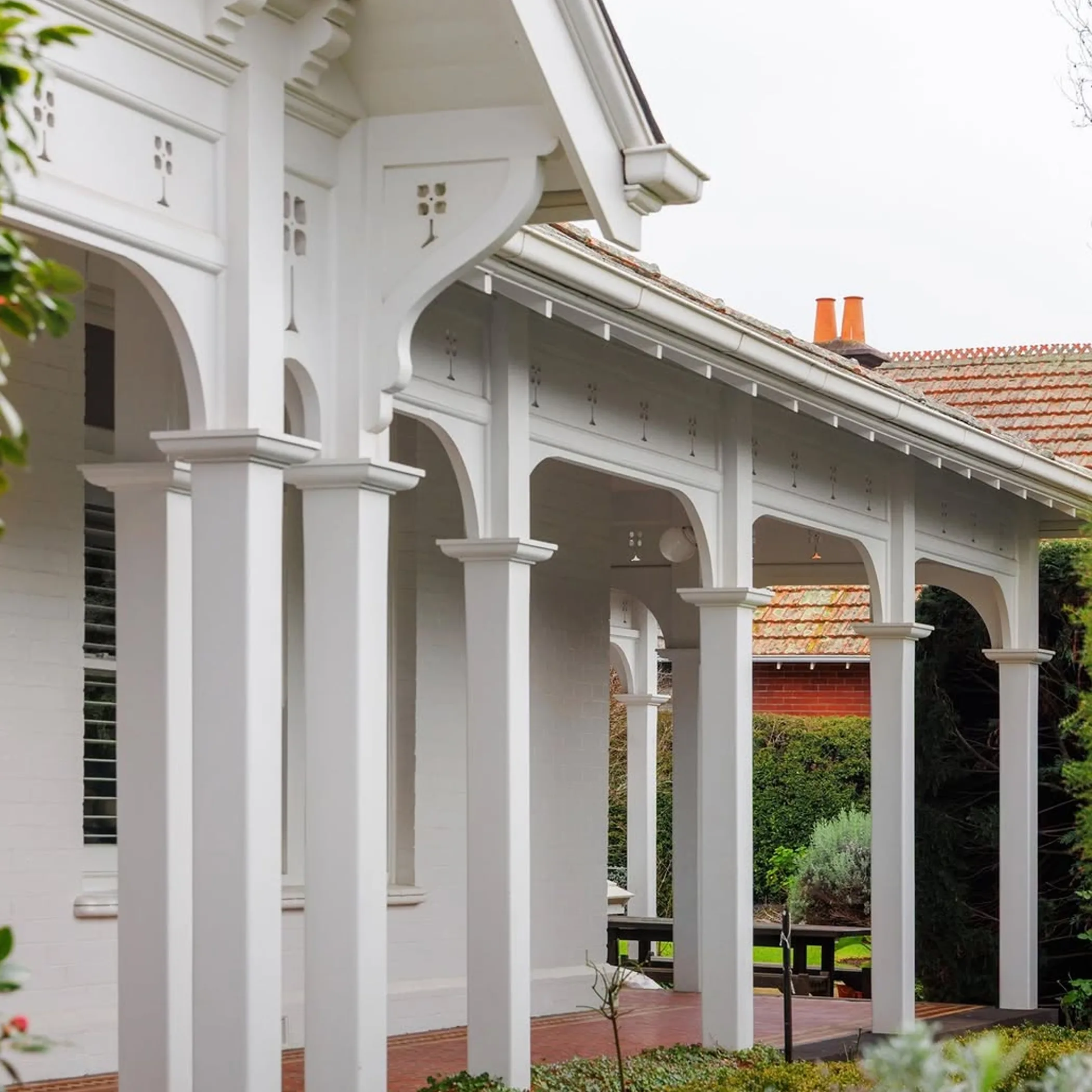
One does not want to find out in the middle of winter that the heater is sporting a clogged filter, a bad thermostat or flue damage; yet for a Melbourne home to be comfortable heating is essential. It is best to have combustion heaters serviced prior to their regular use and put the safety devices in the house to the test.
With gas heaters in particular there is a fire hazard or the possibility of carbon monoxide if something is amiss. Energy Safe Victoria puts out official guidance on home safety which should be consulted.
Put Every Heating System Through Its Paces
In the case of ducted or split systems, the filters are to be cleaned as the manufacturer would have it and one should see to it that the indoor and outdoor units have free circulation of air. Hydronic systems call for a look over of the pipework, valves and thermostats for any odd noises or signs of a leak.
An outdoor barbecue, generator or heater has no place inside. With portable heaters, keep them at a distance from furniture and bedding and do not have extension leads running under a rug. And make sure smoke alarms are in order, changing batteries as needed. Unusual odours, soot, dizziness or headaches coming from a heater are cause to shut it down, open a window and have someone come and inspect it as a matter of urgency.
There is no point in wasting heat. A programmable thermostat, some draught sealing and keeping the doors of rooms not in use closed will go some way to conserving energy. How much one saves will be a function of the weather, the appliance and the habits of those in the home, so take the figures put about by advertisers as rough estimates, not hard and fast rules.
Seal Draughts Around Openings
Windows and doors let in the cold and a small gap in the frame can have a room feeling colder than it is and the heating bill to show for it. Have a good look at the rubber seals, the door sweeps, locks and where the frame meets the wall and put in new ones if they are cracked. Removable excluders are also an option. Weather sealing is meant to put a stop to air movement, not to impede ventilation.
Improve Comfort Room By Room
It is worth going room by room to improve comfort, particularly in the living areas and where children or older members of the family are. Internal doors should be left closed to contain the heat but do not put a cover on a heating outlet or block a permanent vent. Trickle vents that are part of the window system need to be left alone. The mistake many make is to seal up every gap in a damp room in the name of warmth. That does not make for a healthy room, moisture has to have an exit.
Control Condensation And Mould
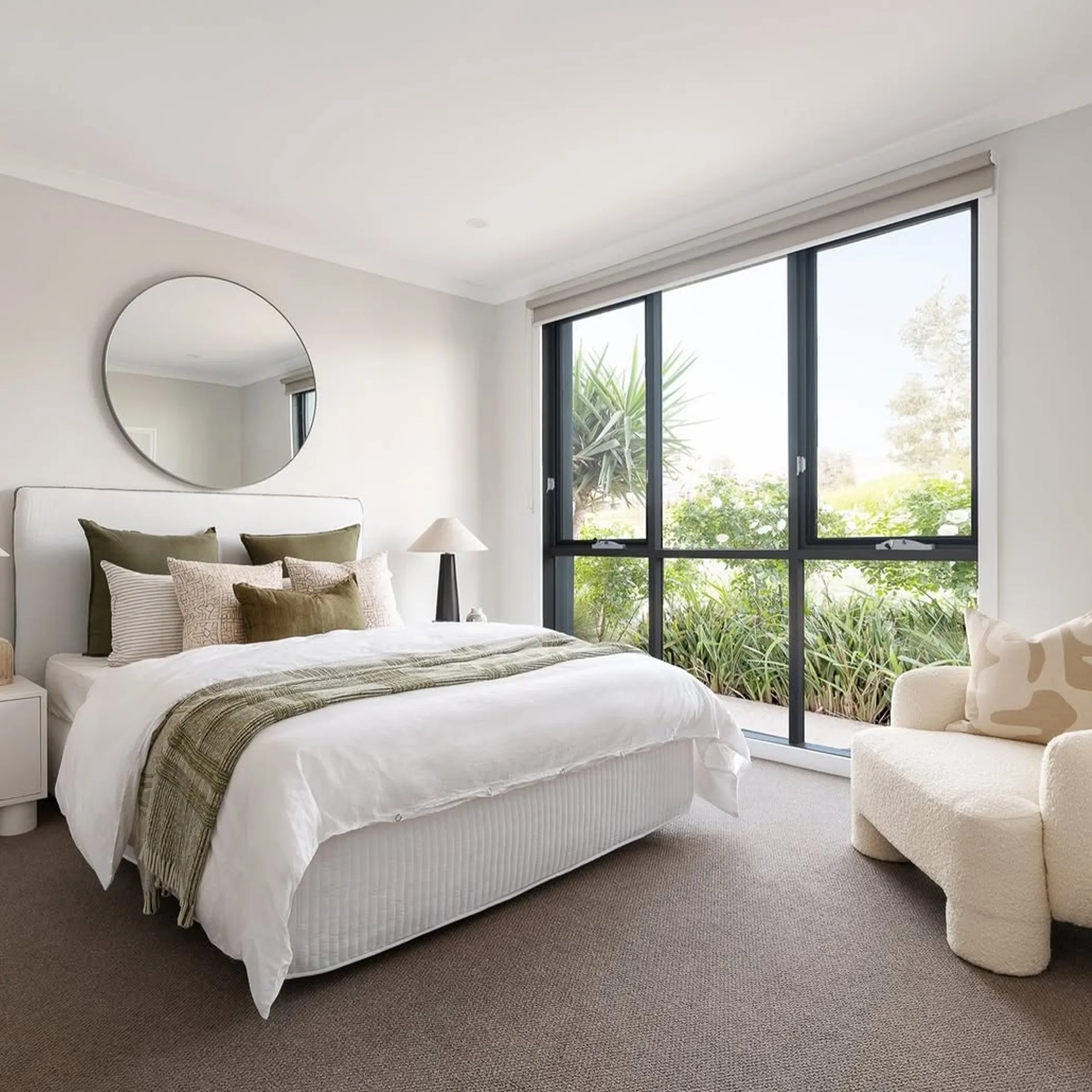
Warm air from within and a cold surface like an uninsulated ceiling or mirror will produce condensation. In the dampness of a Melbourne winter this is all too apparent in the laundry, bathroom and bedroom. To stave off mould you must control the moisture, not just wipe away what is on view. Leave the source and it will be back as tenaciously as a mozzie at a campsite.
Ventilate Without Freezing Rooms
Use the exhaust fan in the shower and for a while after, put the washing out to dry and do not jam furniture up to an external wall. Morning condensation on the windows in the bedroom should be wiped. For a dehumidifier in a room that is always damp, consider it an aid and not a fix for a leak. If mould is extensive or an issue for anyone with asthma, have it professionally assessed and the source of the moisture put right.
Plumbing in the Cold
While Melbourne is not subject to the kind of long freezes one sees in Europe or North America, a cold snap can do a number on exposed plumbing. Water in a pipe or fitting is liable to expand and then leak once it warms up.
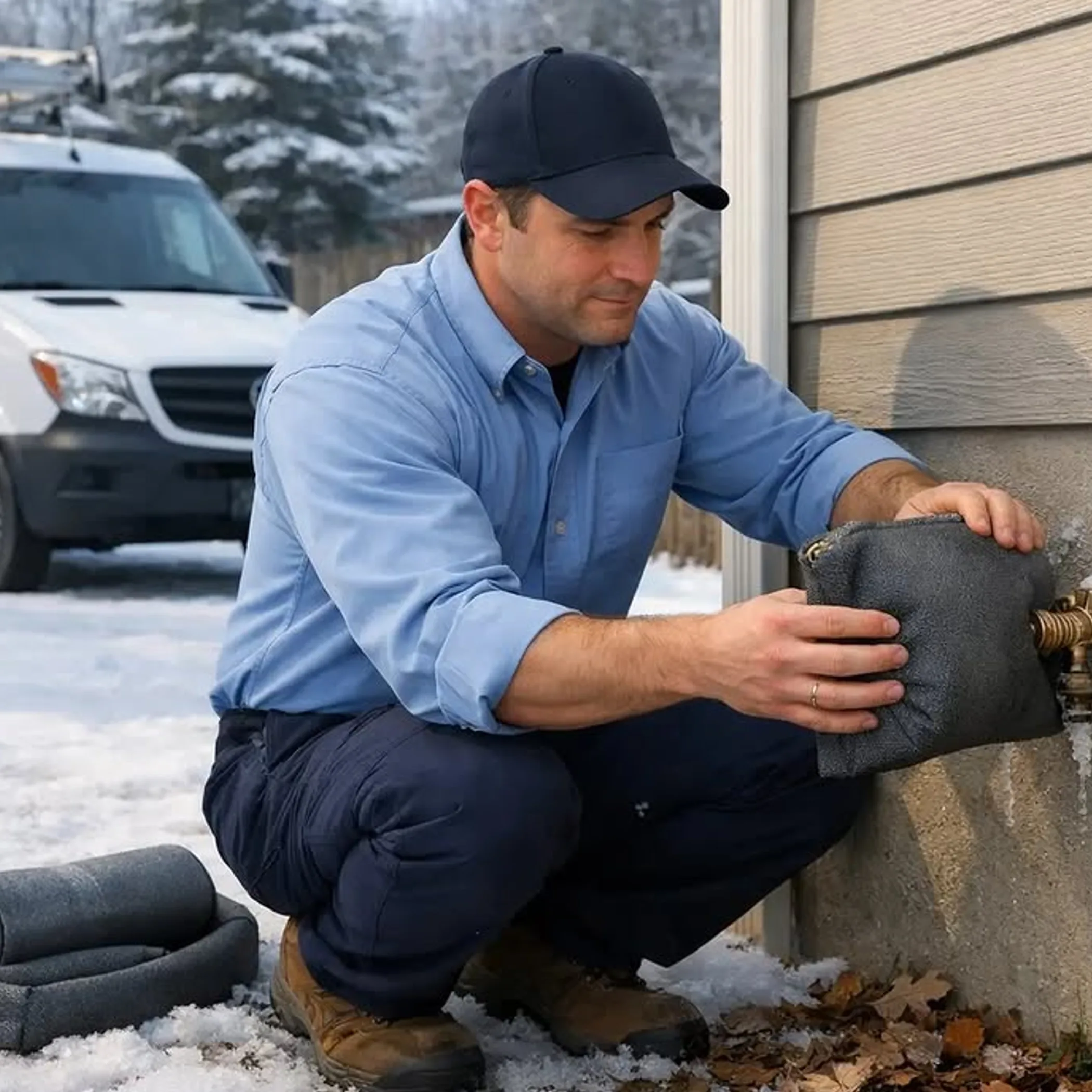
Some maintenance is in order for the Melbourne homeowner. Disconnect garden hoses, give the outdoor taps a check and insulate what is accessible. It is to head off frozen pipes and any small leaks before they get into the walls or cupboards.
Prepare Taps And Exposed Pipes
- Drain and put away the garden hose ahead of the cold.
- See if there are any cracks or drips in the washers, joints and outside taps.
- Insulate the pipework with the right material, being careful not to obstruct valves or put them in contact with heat.
- Ensure you know the location of the main water valve and protect any pipes in an unheated garage or roof space.
A suspected frozen pipe is not to be thawed with a naked flame. Should one burst, the water must be shut off and any electrical equipment in the vicinity turned off, provided it is safe to do so, then put in a call to a licensed plumber. With a vacant property, do not put your faith in a remote thermostat and wishful thinking; have someone on site to look things over in the wake of bad weather.
Hot Water And Indoor Drains
The demands on a hot water system are greater in winter and that will show in the way it performs or where it leaks. Make an inspection of the tank or unit, the floor around it and all you can see of the connections and pressure-relief discharge pipe.
Do not cap or put an obstruction on a relief valve outlet. For a licensed plumber there should be no hesitation if the water temperature is erratic, the system is making banging noises or discharging water without ceasing. Leave gas and electrical to those qualified for it.
Drains: Clear Them Before They Are Blocked
Make sure sinks are emptying as they should, get the debris out of laundry drains and clear the shower wastes of hair and soap. When outdoor stormwater is under strain, slow drainage is apt to turn into a full blockage in a wet spell.
Boiling water is not a panacea for every drain and can do harm to certain fixtures, seals and pipes if used too often. The plumbing system calls for the right product or a professional; and chemical drain cleaners should not be mixed.
Outdoor Winter Care
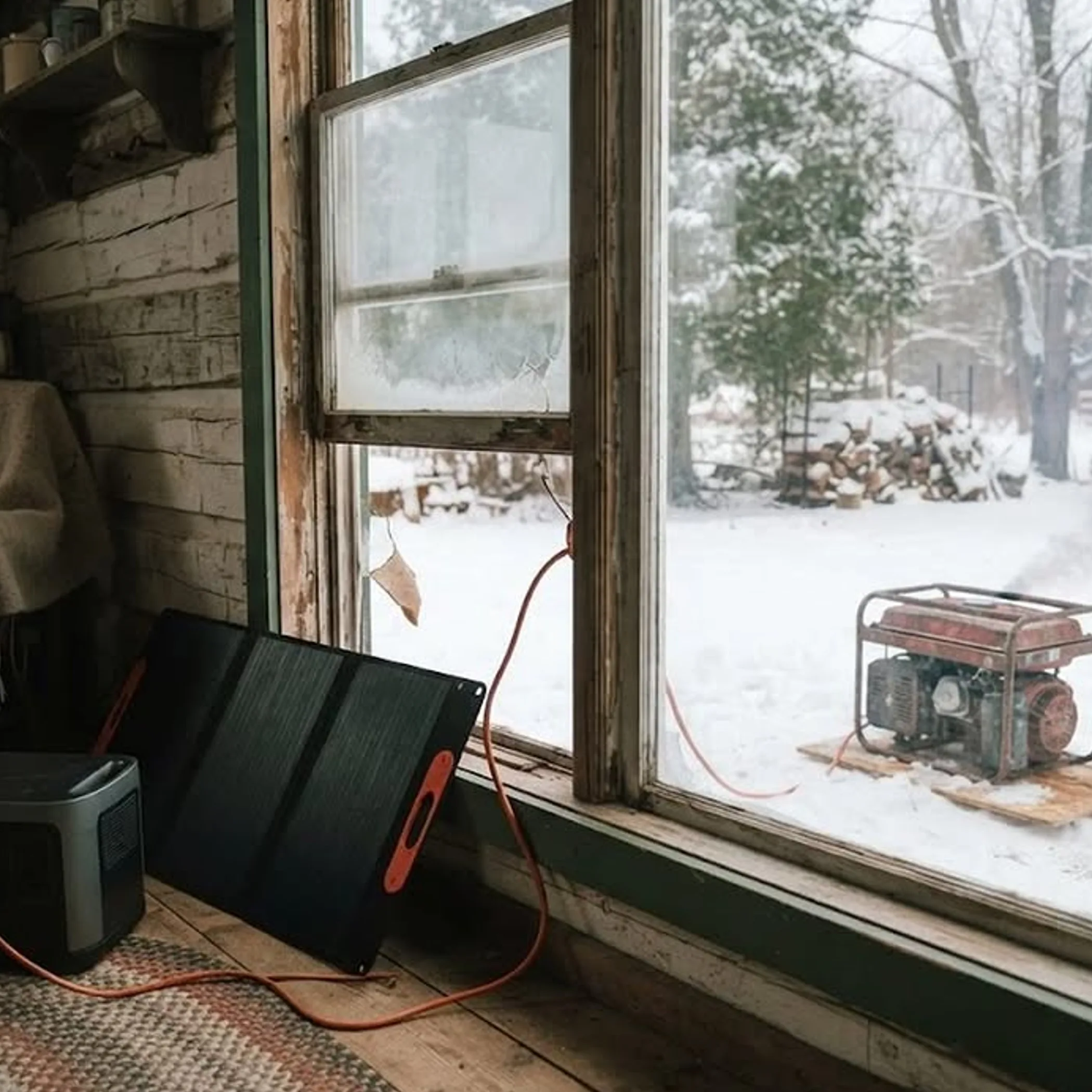
There is no getting around the fact that wind, short days and saturated soil will lay bare any weakness in the outdoors. Have a look at handrails, paths, steps, fences and retaining walls for anything slippery or on the move.
Any branches in contact with power lines or the roof want trimming. Put away tools to keep them from rusting and make sure loose furniture is secured. Leaf litter has to go from grates and drains but leave the mulch and soil under weep holes to let the external walls shed water.
One Day For Maintenance
On a single day, start with the roof and drainage before you test or service the heating and get on with the plumbing and moisture control. Note down what is for a licensed trade and take some photos of defects; put away the receipts for the work done. Homeowners would be wise to have their roof or electrical sorted before another bout of rain. A tenant should put in a prompt report to the property manager on mould, unsafe heating or a leak and have it in writing. It is better to have a dull weekend of repairs than a ceiling caving in on a Sunday night.
Some Questions On Winter
In the course of home maintenance these questions are asked time and again. What follows are brief answers to the kind of error that is most expensive and the jobs that are left undone.
What Is Most Overlooked?
Where the water goes once it is off the roof. The gutter gets cleaned but the downpipe and ground drainage are forgotten. You can have a sound roof and still have dampness and erosion from poor drainage.
An Australian Checklist?
Homeowners in Australia would be well served by one that includes everything from roof and window checks, condensation and hot water to gutters, downpipes and smoke alarms. Tack on the like of pools, solar panels and bushfire prep if the property warrants it.
Is Wiping Mould Sufficient?
You can put household methods to use on a small patch but if ventilation has failed or there is a leak, wiping will not do. Address the source of the moisture. Anything large or of a health concern is for a professional to advise on.
Are Melbourne Prone To Frozen Pipes?
Not in the same way as more northerly climes, but an exposed pipe or outdoor fitting can be damaged in a cold snap. It is prudent to know where the water is shut off and remove hoses.
Heating All Day?
It depends on the appliance, the insulation and who is in the house. There is no set rule. Run the system at a comfortable minimum and heat the rooms in use. If you have dampness indoors, cranking up the heat may be a cover up for the problem rather than a solution.
Dry And Ready
Prevention is what a good winter care routine in Melbourne is about: divert the rain, control the moisture inside, make sure the heating is in order and nip small defects in the bud. Record your findings and for anything on the roof, with the gas or electrics, engage a licensed professional.
This is how you prepare for winter in practical terms. No need for gadgets or to be a hero. A torch, a notebook and a ladder to be had sensibly will do, along with the sense to get some help when the job gets rough as guts.
