There are genuine risks with a lip blush tattoo, yet you can stave off most of the trouble by being diligent in your aftercare, being upfront about your medical history and seeing an artist with the right training. The more serious problems one encounters in Australia are things like infection or an allergic response, a cold sore making an appearance, or an unsuitable candidate pressing on regardless. Then there is the let down when the colour has healed to be patchy and not what was anticipated, all made worse by poor hygiene.
For those considering a booking, I put this guide together to give you the unvarnished facts. My name is Dominic Hawthorne; I would rather be out on a bush track than discussing beauty treatments as a rule, but safety is a matter of location or not. So get to know the risks, put some awkward questions to the artist, have a look at his gear and do not be led by a well put-together Instagram page.
What Lip Blush Is
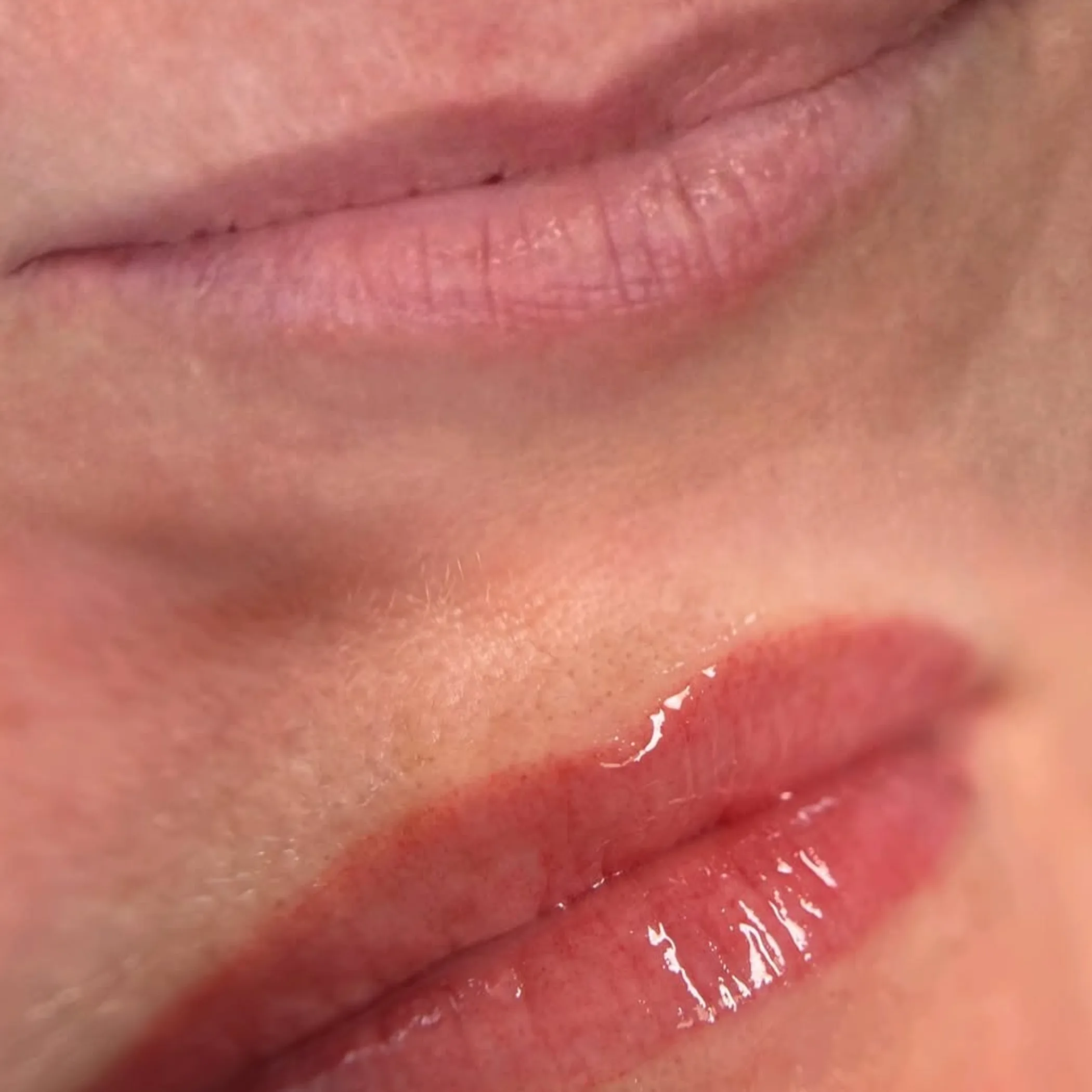
You cannot assess the risk without an understanding of the treatment. Some will tell you it is a semi-permanent tint and think of it as a low-stakes affair, but needles and pigment and skin trauma are part of it, and the healing can be problematic if shortcuts are taken.
In technical terms lip blush is a cosmetic tattoo used to put pigment in the lips for better definition, symmetry and colour. It may be sold as a softer alternative to the traditional kind of lip tattooing but the skin is punctured none the less, so you have to factor in the same concerns over contraindications, allergy, infection control, and tattoo recovery stages.
The Way It Appears
A fresh lip blush will be more swollen and bold than what you end up with and that is where people get caught out. Do not be fooled by the glossiest looking version of events on social media in the immediate aftermath of the procedure; day one is not the settled colour.
Expect a strong colour at first followed by flaking and some unevenness before the pigment takes. Most will require a touch up which means more time to heal and cost, and re-exposure to the attendant risks.
Problems Of The Real World
People want to know from the off what can go wrong, not in the tabloid sense but in the “now I am left with regret and swelling” way.
Swelling, tenderness, dryness and sensitivity are the usual side effects as you heal, along with temporary uneven colour. On a more serious note we see lip blush infection, scarring, an allergic reaction or herpes simplex reactivation and the occasional poor outcome you will read about as “lip blush gone wrong”.
Red Flags And What Is Normal
Mild swelling and tenderness for a couple of days is nothing to make an issue of. But you do not simply wait out fever, pus, spreading redness or thick yellow crusting.
| Issue | Usually Expected | Needs Quick Review |
| Swelling | 24–72 hours of mild to moderate | Severe, or breathing becomes difficult after day 2 |
| Colour | Bright then patchy and soft | Tissue breakdown, blackening, asymmetry getting worse |
| Pain | Sore and tight | Throbbing, hot to the touch, pain on the increase |
| Skin Changes | Light flaking and dryness | Blistering, pus, a thick crust or redness |
| Cold Sores | A known trigger for some | Tingling or burning and blisters |
In practice the error is to think because a side effect is common it is harmless. It still calls for care. Should the artist wave away any concern with a breezy “she’ll be right”, walk away.
On Cold Sores, Allergies, Medications
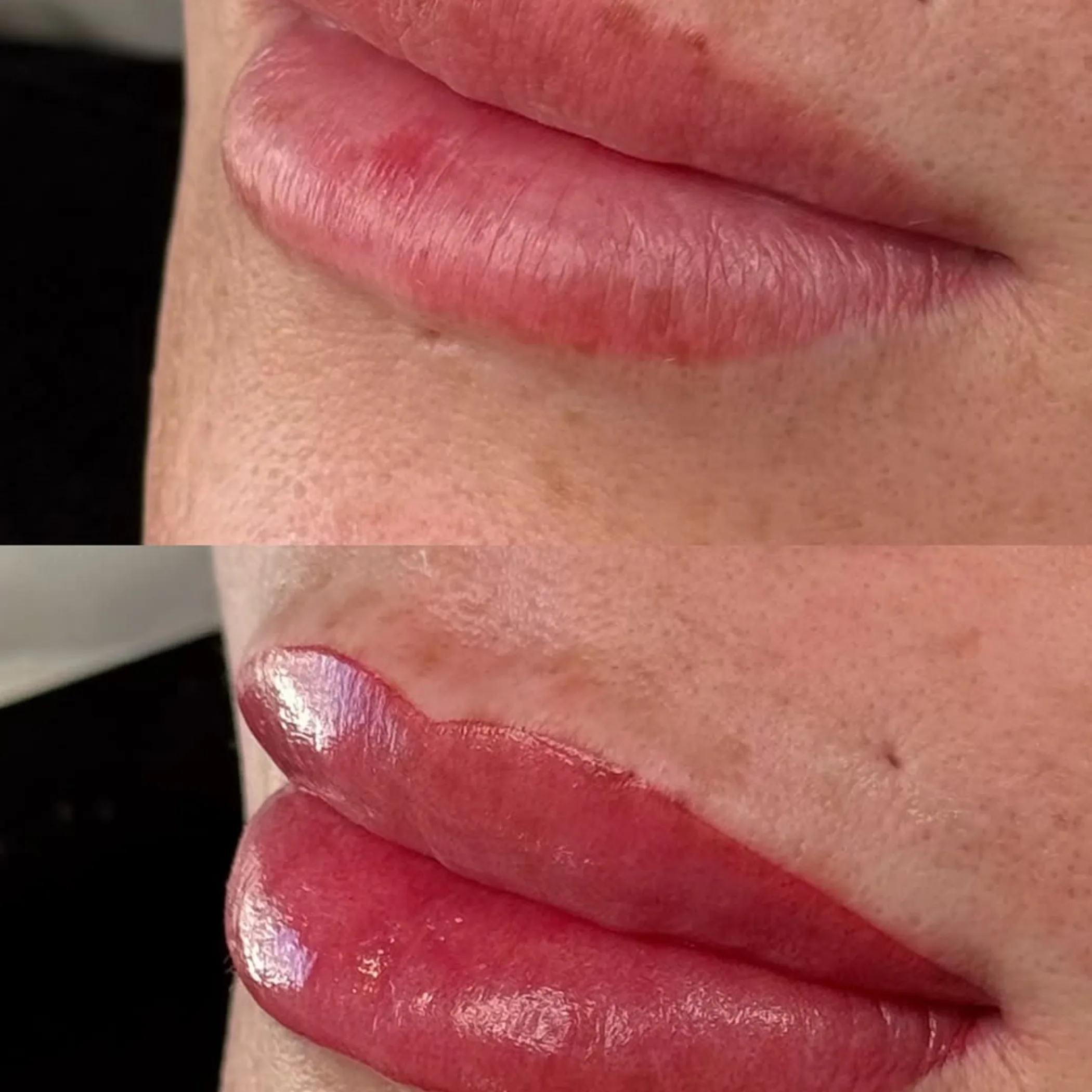
Half the story is the treatment, the other half is what your body is like on the day. Sensitivities to ingredients, medication and prior cold sores can turn a routine service into something rough.
The two are linked; trauma to the lips from the needle can bring on a herpes simplex outbreak. An allergy might be to the numbing cream or the pigment. Certain medications and skin treatments are also prone to complicate matters.
Risk Of A Cold Sore
Have you had a cold sore in the past, even years back? Make sure you mention it. The needle work can set one off and alter the colour result while adding to your discomfort. Your GP should be spoken to about antiviral prophylaxis if you have a history of it, most artists will advise as much. Repeated outbreaks make this of particular note. People will put it aside out of embarrassment or under the impression it was a one off, but there is no point in that. Pride is not something your lips have any regard for.
Patch Testing And Ingredient Reactions
While a pigment patch test is useful for weeding out some reaction risks, it is no surefire way of avoiding them down the track. An allergic response can still occur once treatment is done; lips are sensitive and you may be exposed to an array of products at the appointment.
Among the possible triggers are latex, topical anaesthetics, aftercare balms, preservatives and the pigments themselves. Any past allergies to skin, tattoo ink or cosmetics, eczema or contact dermatitis should be on the table from the start.
Medications That Change The Picture
Unless a medical professional has given the all clear, current or recent Roaccutane (isotretinoin) is a major contraindication for lip tattooing as it impedes healing. Extra care is warranted with immune-suppressants or anything that alters how the skin repairs, including bleeding risks.
Then there is the matter of pregnancy and breastfeeding. On account of infection risk, pain and the paucity of evidence with certain pigments and topicals in those groups, most studios will err on the side of caution and put off treatment.
Australian Safety Rules Matter
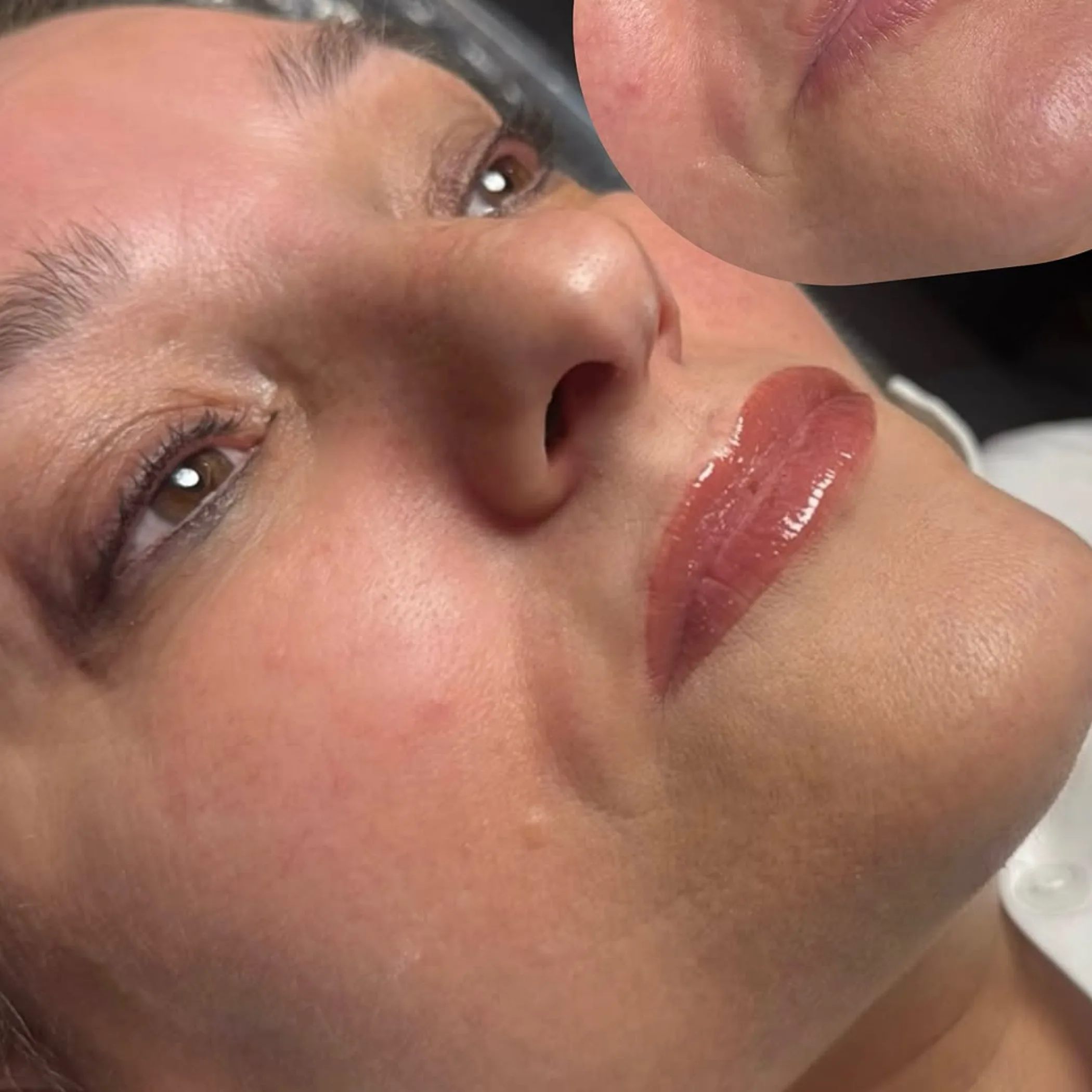
The fact is not all Australian studios are held to the same standard. “Licensed” and “safe” are not so cut and dried when rules vary from one state or local council to another.
Infection control, the training of the operator and public health regulations are what makes for safety in Australia. Since cosmetic tattooing is a form of skin penetration, sterile needles and studio hygiene are non-negotiable. Proper infection control is there to avert the worst case scenario of blood-borne diseases like HIV and Hepatitis.
What Official Health Advice Has To Say
Healthdirect Australia would have anyone contemplating a piercing or tattoo look over their hygiene practices and get medical attention if an infection rears its head. Their advice on tattoos and piercings is the place to go for the latest public health guidance: Healthdirect Australia advice on tattoos and piercings.
The principle is straightforward: hand hygiene, clean surfaces, single-use sterile equipment as needed, disposal of sharps and aftercare instructions that are unambiguous. A tidy set of before and afters is no reason to book if the studio is being vague.
What Most People Get Wrong
A well lit room with beige walls and a logo to boot does not necessarily mean it is safe. Infection control can be wanting in such a studio. Put the artist’s reputation to one side, a following is not a safety credential. One is not ordering a flat white when it comes to having needles with pigment put to one’s lips.
Picking A Safe Artist
You will do most of your risk reduction here. There is nothing wrong with asking sensible questions of a good artist, they will not be put out by it. You will find them more than happy to field them, being done with the cowboys who leave them to pick up the pieces. I have seen it in tourism and outdoor work for years: the operator who is a bit dull on the safety specifics is generally the right one. Cosmetic tattooing is the same. Be it AE Studio, Unique Blendz, Permanent Makeup Melbourne or Cosmetic Tattooing Brisbane, the branding is beside the point. What matters is the practitioner can talk you through his or her policy on patch testing and contraindications, the emergency procedure, realistic outcomes and hygiene.
Questions Worth Asking
- Do your needles and consumables come from a sterile source and are they single use?
- May I have a look at your aftercare instructions prior to booking?
- Is a pigment patch test part of the process?
- What is your procedure for a client with cold sore history?
- Have you ever had to turn a client away and who should not be treated?
- What is your training in the area of infection control and cosmetic tattooing?
- What is the total cost in AUD, consultation and touch-up included?
Expect to pay several hundred dollars for a lip blush in Australia, give or take depending on where you are and the provider. If the price is well below the rest of the pack, consider what has been compromised: the time, the judgement, the sterilisation or the quality of the pigment.
Who Should Give It A Miss
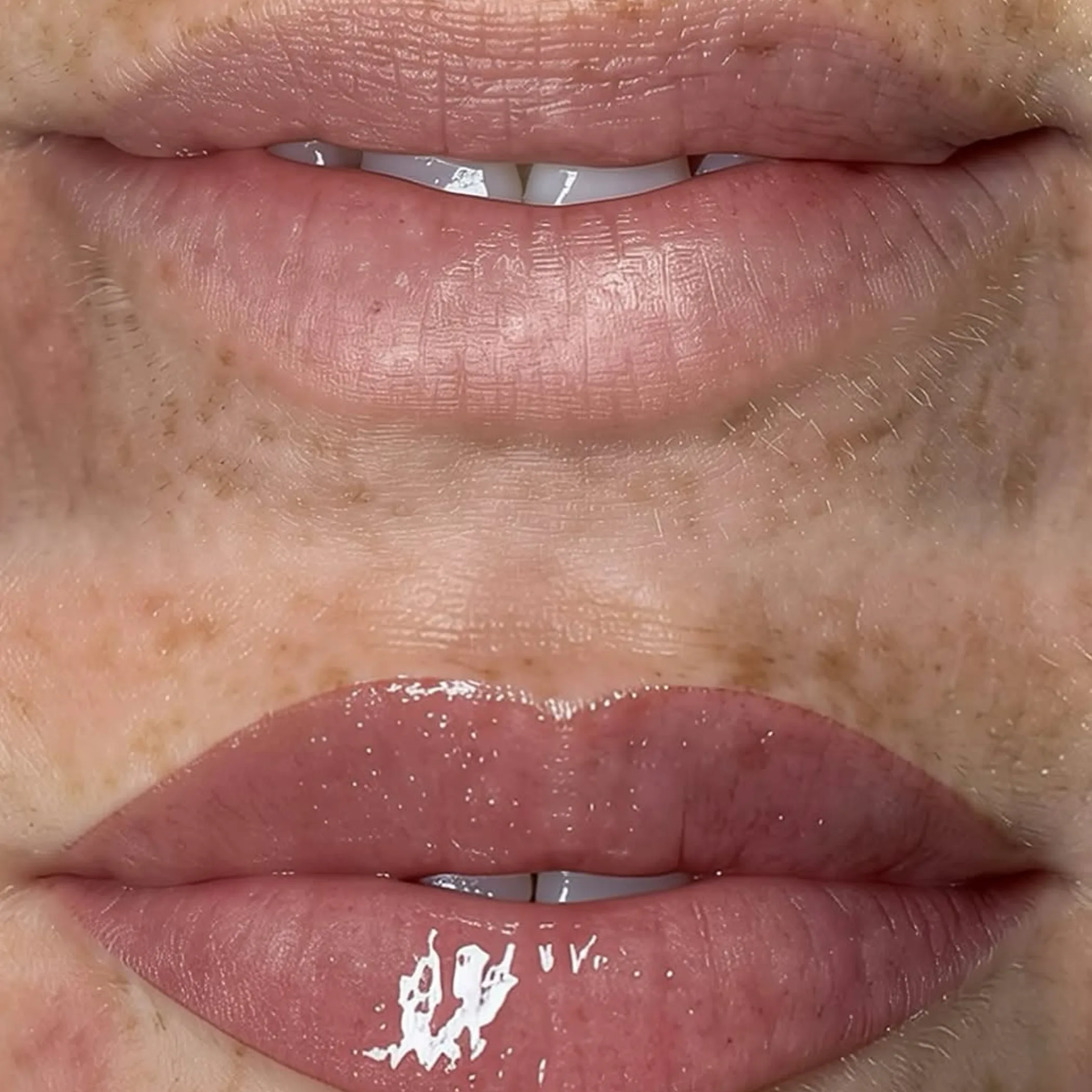
For some, lip blushing is simply not on. It is preferable to forgo the treatment than to have to contend with uneven healing or pigment that won’t settle for months on end.
There are a number of contraindications to be aware of with lip tattoos: active cold sores, any skin infection or marked irritation of the lips, allergies to the products in question, immune system issues and uncontrolled medical conditions that would impede healing. Use of isotretinoin (Roaccutane) is also a factor. An artist will put off the procedure for recent fillers, dental work or an illness as well.
Best For And Not For
The ideal candidate is an adult with sound expectations and healthy lips and no contraindications of consequence, one who has the time to give aftercare the attention it requires. It is not for the beginner type who makes casual beauty choices on a whim over a couple of glasses of wine while perusing some Cosmopolitan trend report at 1am.
Should you need a day to make up your mind, then don’t. This is no same-arvo trip to the beach. Take the time to do your due diligence, see if you like an artist’s work and consult a GP where necessary, particularly with a herpes simplex or allergy history.
How To Prepare Properly
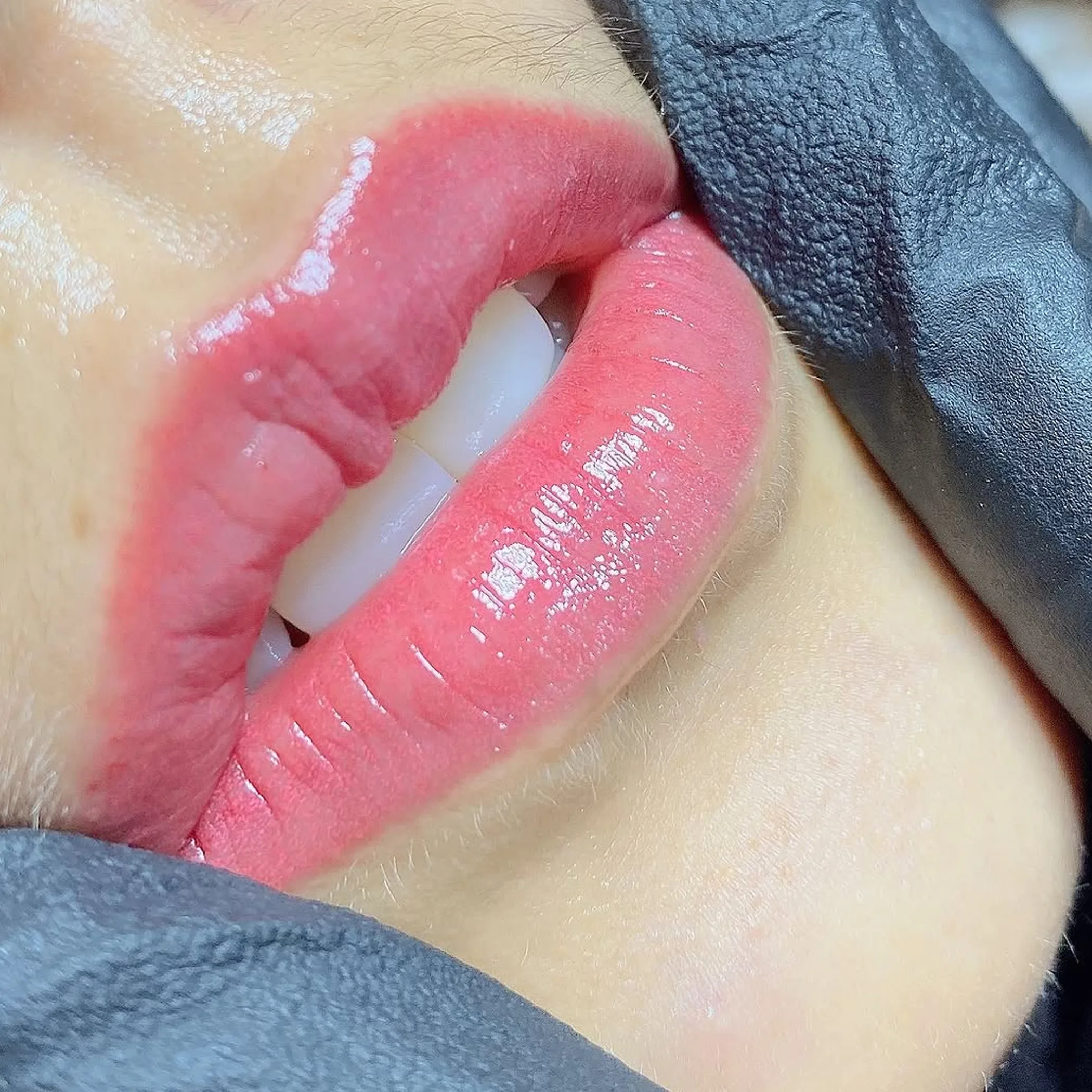
It is not glamorous but proper preparation is more important than the nice pictures one puts out post-appointment. It keeps surprises to a minimum, and those around the mouth tend not to be of the entertaining variety.
Be forthright about your medical history, want to know what is being put on you and enquire as to patch testing. An artist who does not put questions to you regarding medications, prior cosmetic work, cold sores and allergies should be regarded as a red flag, as plain as a beach umbrella in a southerly.
A Pre-Booking Checklist
- Make sure you have read the aftercare and the clinic’s policy on healing and touch-ups.
- Put on record any cold sore or allergy history and what you are taking.
- Find out if you should be talking to your GP about antiviral prophylaxis.
- Get the all-in price in AUD for the work and any follow-up.
- Then there is the matter of expectation versus reality. You may think to duck in for a better lip colour and be back at your desk looking the part come morning. What you get is swelling and dryness and for a few days you could look as though you have had it out with the wind.
Healing Takes Patience
Recovery is when bad decisions can undo good work. Things like smoking, friction, spicy food, over-cleaning or simply not heeding instructions will have an effect on the final colour. Lips are moist and mobile and prone to irritation so they do not heal in the same way as other parts of the body; keep that in mind even if you have been reading up on tattoo recovery. Aftercare for a lip blush means keeping things clean and using nothing but what is recommended, and being on the lookout for any allergic or infectious reaction.
What Healing Often Looks Like
You will go through some initial swelling and colour that is bolder than it will be, some flaking and dryness and then a softer, perhaps uneven stage before it is done. A touch-up is often in order and it is weeks before you can tell.
Pain is easy enough to manage, provided you do not put two and two together with unapproved products and take professional counsel. The error most people make is to anoint normal dryness with whatever ointment is to hand. More is not necessarily better.
| Stage | What You May Notice | What To Do |
| First 24 Hours | Bold colour, tenderness and swelling | Heed the cleaning advice to the letter, hands off |
| Days 2–5 | Tightness, light flaking, dryness | Stick to the aftercare products |
| Days 5–10 | Colour can appear lighter or not quite even | Resist the urge to pick or scrub, let it be |
| Following Weeks | A gradual settling of the colour | See if a touch-up is called for |
When It Needs Medical Help
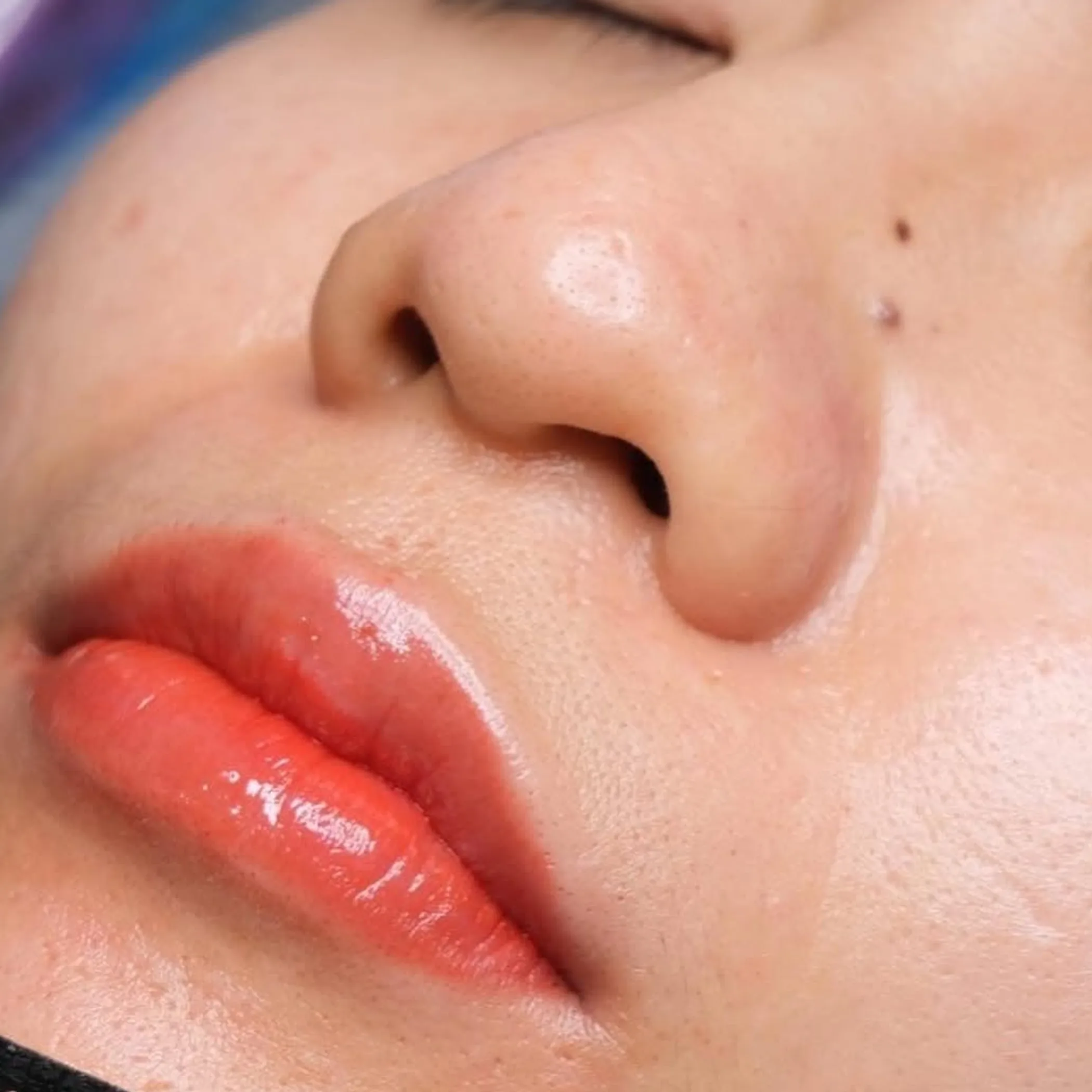
Some complications are best left to the studio. There are medical issues to be had. Make the distinction and do not put in time for a situation that is going bad.
Should you have any difficulty breathing post treatment or notice pus, a high fever, severe pain, blisters of the herpes simplex type, facial swelling, pronounced heat or redness on the increase, then you want to see a doctor without delay. One does not always realise how quickly an allergic reaction or infection of the lip blush can get out of hand; the area is prone to it given its sensitivity and the moisture, food and bacteria to which it is subject.
Early Treatment of Complications
Put in a call to a medical professional and the studio if you sense something amiss, but common sense should not be dictated by your beauty provider. An artist is well placed to comment on what is normal in the way of healing, not to make a diagnosis of a serious infection. The likes of Healthdirect Australia and the Cleveland Clinic will tell you as much when it comes to cosmetic procedures and wound care: anything unusual warrants a proper medical opinion.
Then there is scarring. A permanent risk of the lip tint that is underappreciated, even if it does not happen as often as a passing irritation. Letting an infection go untreated, being too hard on the area with your fingers, using the wrong products or subjecting it to repeated trauma will only compound matters.
A Word From Dominic Hawthorne
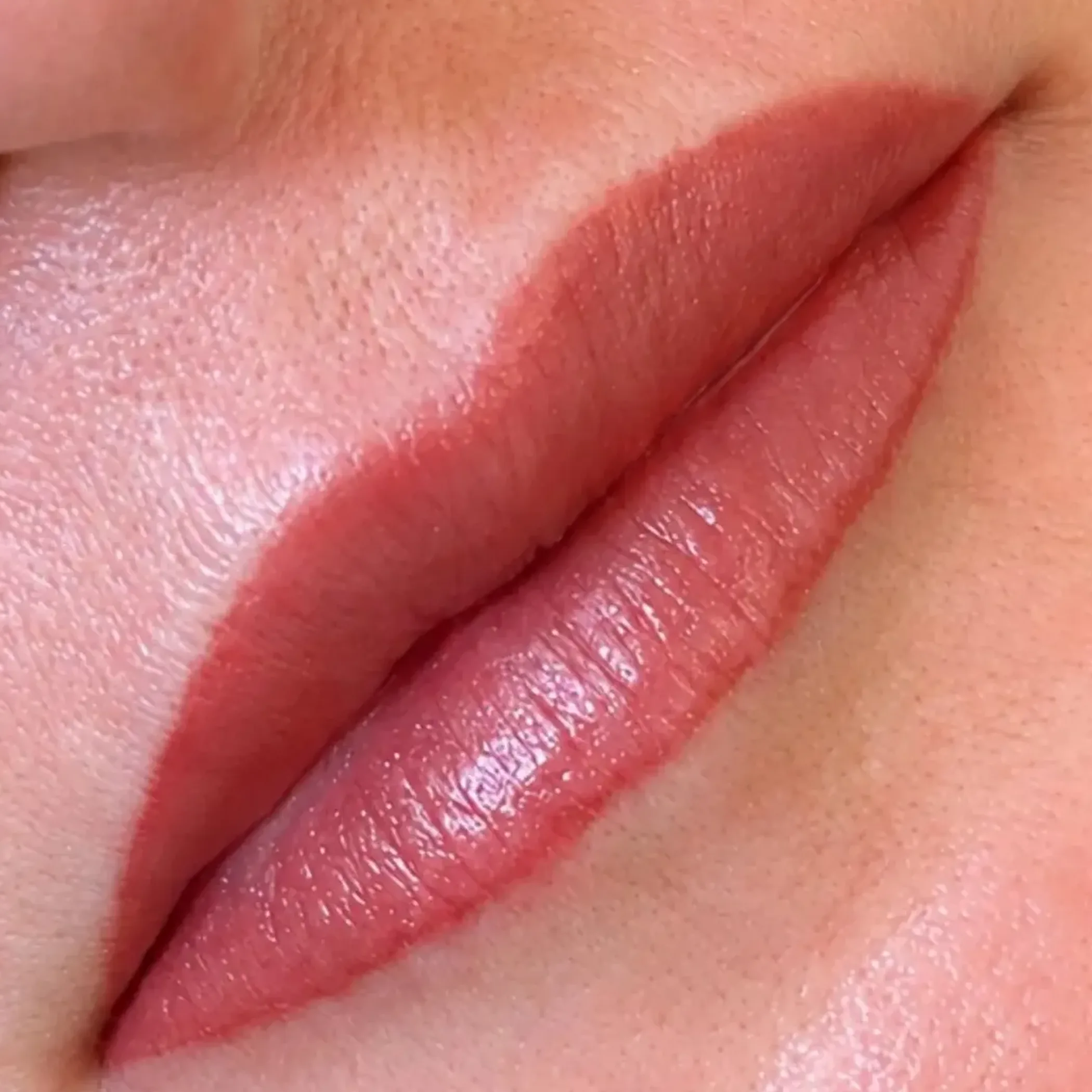
Is lip blushing safe? You will get a straight answer from me: in the right hands and with adequate prep and aftercare for the right candidate it is reasonably so. Yet to say there is no risk at all is pure balderdash.
The sensible thing to do is not very flashy. Go with a practitioner whose hygiene is above reproach, be blunt in your questioning, put your medical history on the table and let the healing process be. Take medical counsel if it seems off. It is the unexciting safety measures that end up saving your bacon, as I have found whether on a reef boat or some back road.
FAQ
Downsides To A Lip Blush Tattoo?
Swelling and discomfort come with it, as does the time to heal and colour that can be patchy in the interim. There is the matter of cost, particularly where touch-ups are called for. And one must consider the likelihood of fading, infection, an allergic response, scarring or a cold sore.
Potential Risks With Lip Blushing?
Aside from the odd case of scarring or blood-borne disease due to lax hygiene, you are looking at the possibility of a herpes simplex flare-up, poor retention of pigment, uneven work and of course infection or an allergic reaction.
How Much Of A Risk Is A Lip Tattoo?
It depends on the client, the clinic’s standards for infection control and the artist. Even with a reputable provider and a healthy individual who heeds the aftercare advice, you would be remiss to think of it as risk free since it is a form of skin trauma.
Five Years On, What Does Lip Blushing Look Like?
You will see wide variation. Some will have a soft tint left over, others will have seen considerable fading or a change in colour owing to the sun, their skin, the pigment used or lack of a touch-up. That is a risk of the permanent tint that is frequently overlooked when you book in.
Having Had Cold Sores, Is Lip Blushing An Option?
Possibly. But before you book you ought to inform the artist and put it to your GP as to whether antiviral prophylaxis is in order. A prior history of cold sores makes an outbreak following the procedure more of a chance.
