Under the 2026 requirements in Australia, NCC wet area rules are to be followed. That means a shower is to be waterproof, any other wet-area surface made water resistant as the case may be, and all construction in keeping with the National Construction Code, ABCB Housing Provisions and the AS 3740 standard for domestic waterproofing. Then again, the rule of the day will turn on the building classification, the wet area in question, the NCC edition you have adopted and any variation put in place by the state or territory.
You do not have to look far to find out that water will make its way to the weak point; I can say as much from my years with Australian homes and the odd job where an oversight has been a headache of large proportions, Dominic Hawthorne here. One can have a bathroom that is all put together but the floor falls, membrane or junctions are not right. In this guide I put forward the compliance points in practical terms, what is apt to trip people up and the time to call in a licensed builder, surveyor or waterproofer.
The Rulebook
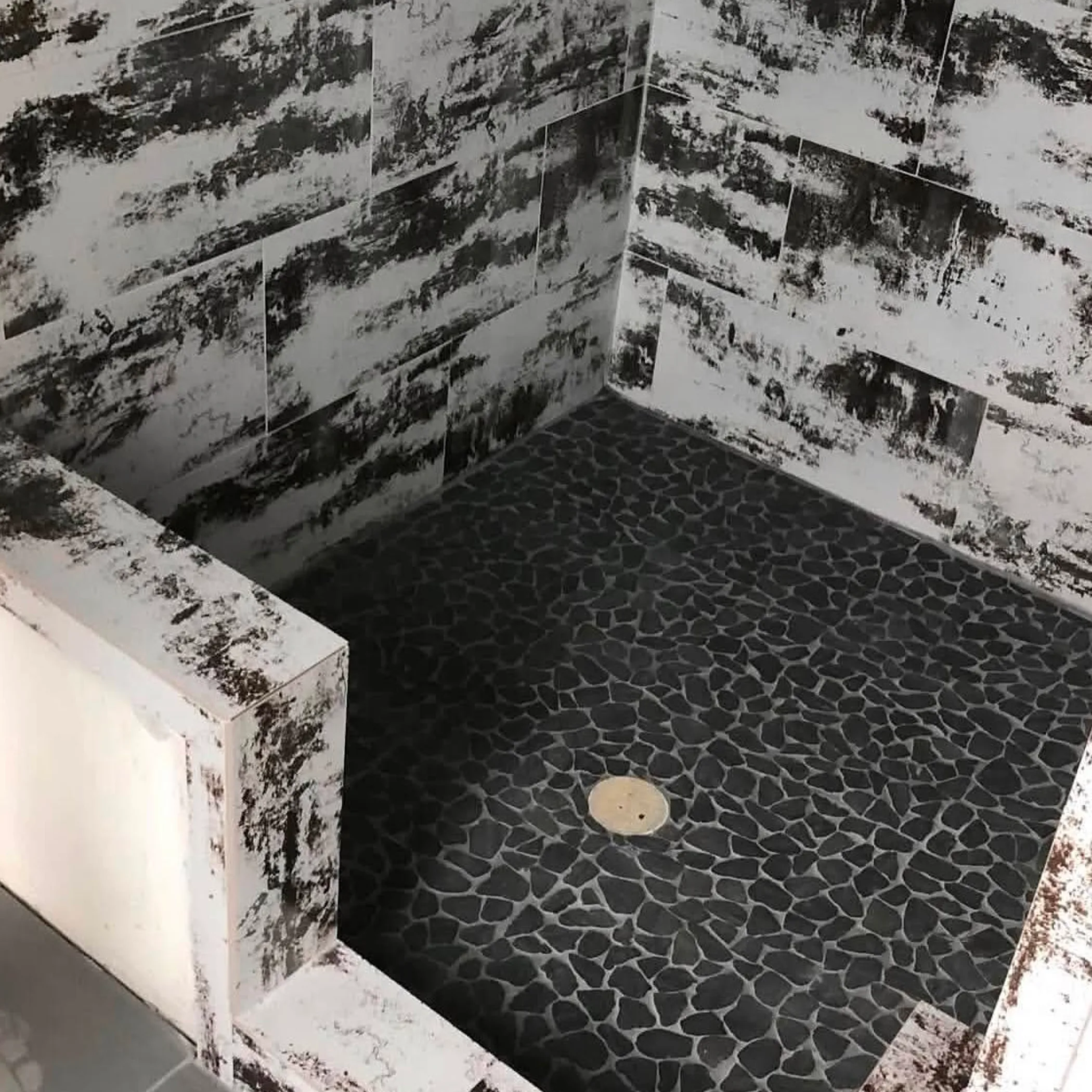
Compliance in Australia is a matter of the National Construction Code first and foremost. With 2026, you will be looking at the NCC 2025 for your provisions though some projects might still have transitional arrangements or be subject to the kind of state adoption that harks back to NCC 2022. This includes national wet area regulations.
If you are going the Deemed-to-Satisfy route, the NCC Housing Provisions and AS 3740 go hand in hand. The former lays down the performance and construction duties, the latter gives you the methods for waterproofing. Make sure you know what edition is tied to the building approval, as the latest rule does not necessarily apply to an older project.
What You Are Dealing With
It is not a case of putting a coat of waterproofing on the floor and calling it compliant. There is substrate preparation, penetrations, hobs, step-downs, doorways, wall and floor junctions, the compatibility of products and so forth.
Leave the product certificates, invoices and photographs to hand. A certifier may want to see them and they come in handy when there is a “I am certain we put a membrane in there” type of conversation. And if the state or territory calls for it, the one putting on the membrane should be licensed.
Waterproof Versus Water Resistant
Do not use the two terms as if they were the same. A waterproof build is meant to put a stop to water getting through; a water-resistant system or finish will limit penetration but is no substitute for a continuous membrane.
Australian regulations are built on that distinction. Some parts of a bathroom will be waterproof, others water-resistant, contingent on whether they get direct water or just the odd splash in the course of cleaning.
Wet Areas in Brief
| Area Or Element | What Compliance Is About | A Practical Check |
|---|---|---|
| Shower area | Compliant drainage and falls; waterproofing of the floor and walls as needed | Before you tile, be sure of the membrane, the floor waste connection and any penetrations |
| Bathroom floor (not in shower) | As the provisions dictate, either water-resistant or waterproof | See to the junctions and the finish of the floor and any waste |
| Bath, no shower | Walls and junctions that get splashed need protection around the bath | Look at the sealant and wall finish at the bath edge |
| Bath and shower | The whole zone gets shower-area protection | It is not an ordinary bath once you factor in the spray |
| Laundry | Fixtures and likely spills are to be covered with water-resistant surfaces | Trough, skirting, washing machine hook-ups and the like |
This is the pattern one sees, but it does not replace the documents for the project. An apartment, a timber floor or an accessible bathroom will call for something more particular.
Put A Compliant Shower Together
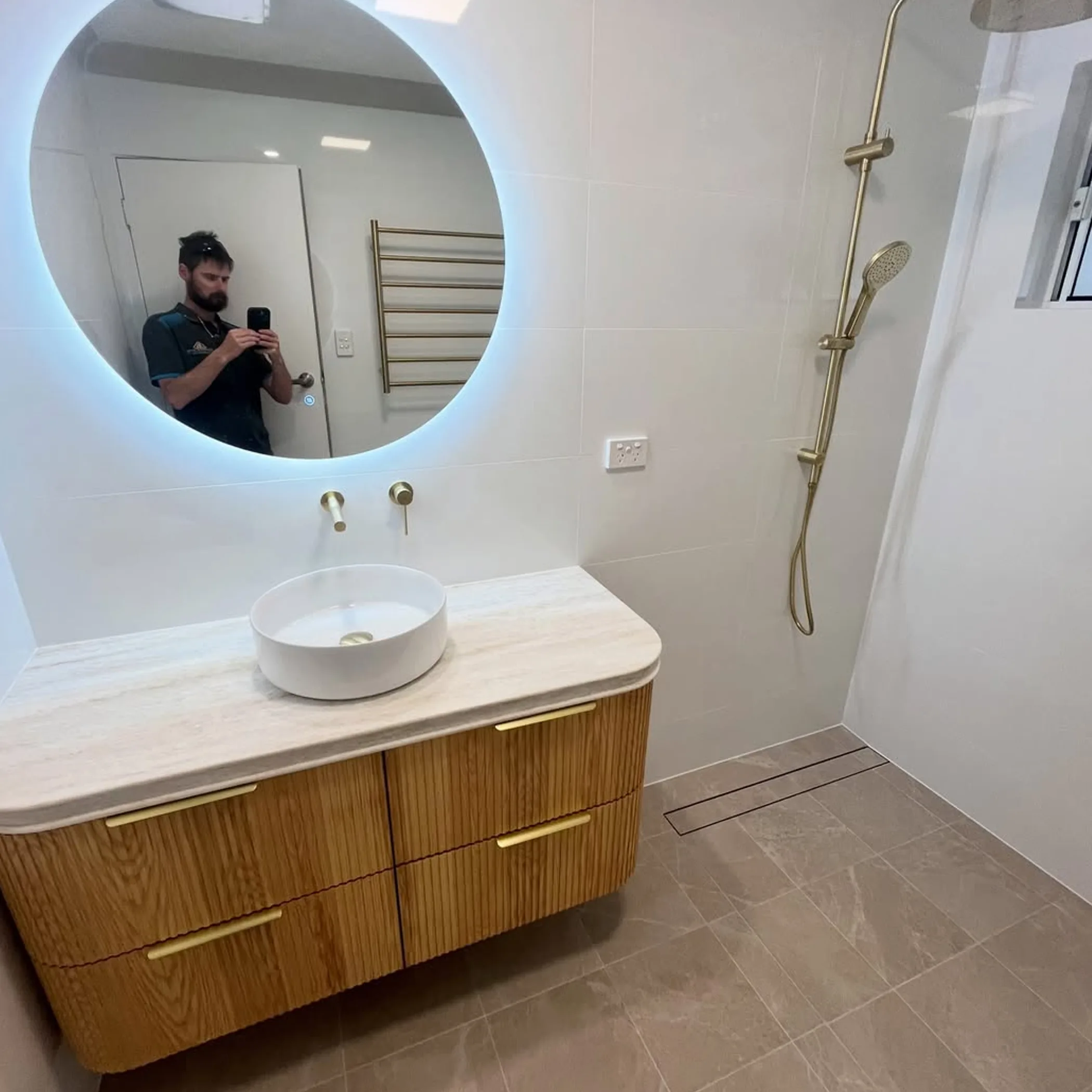
There is more risk of a waterproofing issue in a shower given how much water is directed there. The transition to the bathroom proper, the penetrations, the wall junctions and the floor should be a single system.
A slow draining shower is more than a nuisance. If you have ponding, grout and the membrane are left to the water longer than they should be. Water can make its way under a door or onto a flat floor and before you know it the trouble has begun.
On Falls, Wastes And Thresholds
The floor of the shower is to be channeled to a drainage point or floor waste. The gradient called for is a function of the waste arrangement and the construction method. Do not think a given ratio is fine for any design without checking the fall against the NCC and the AS 3740 method in use. One should look at the finished floor and not be content with an inspection of the slab or screed alone. The final fall is liable to be changed by the height of the tiles, adhesive and grate. A little clean water put to the test with a level and straightedge will show up any low spots that would otherwise be concealed once tiling is done.
Then there is the matter of hobs, step-downs and level-access showers which all call for some fine detailing. While a level-entry shower is in order, it does not permit poorly sited waste or sloppy falls. Where the bathroom is part of a multi-residential development or is in an area prone to bushfire or flooding, one may find other project requirements come into play.
Baths And Spas: Some Protection Is Warranted
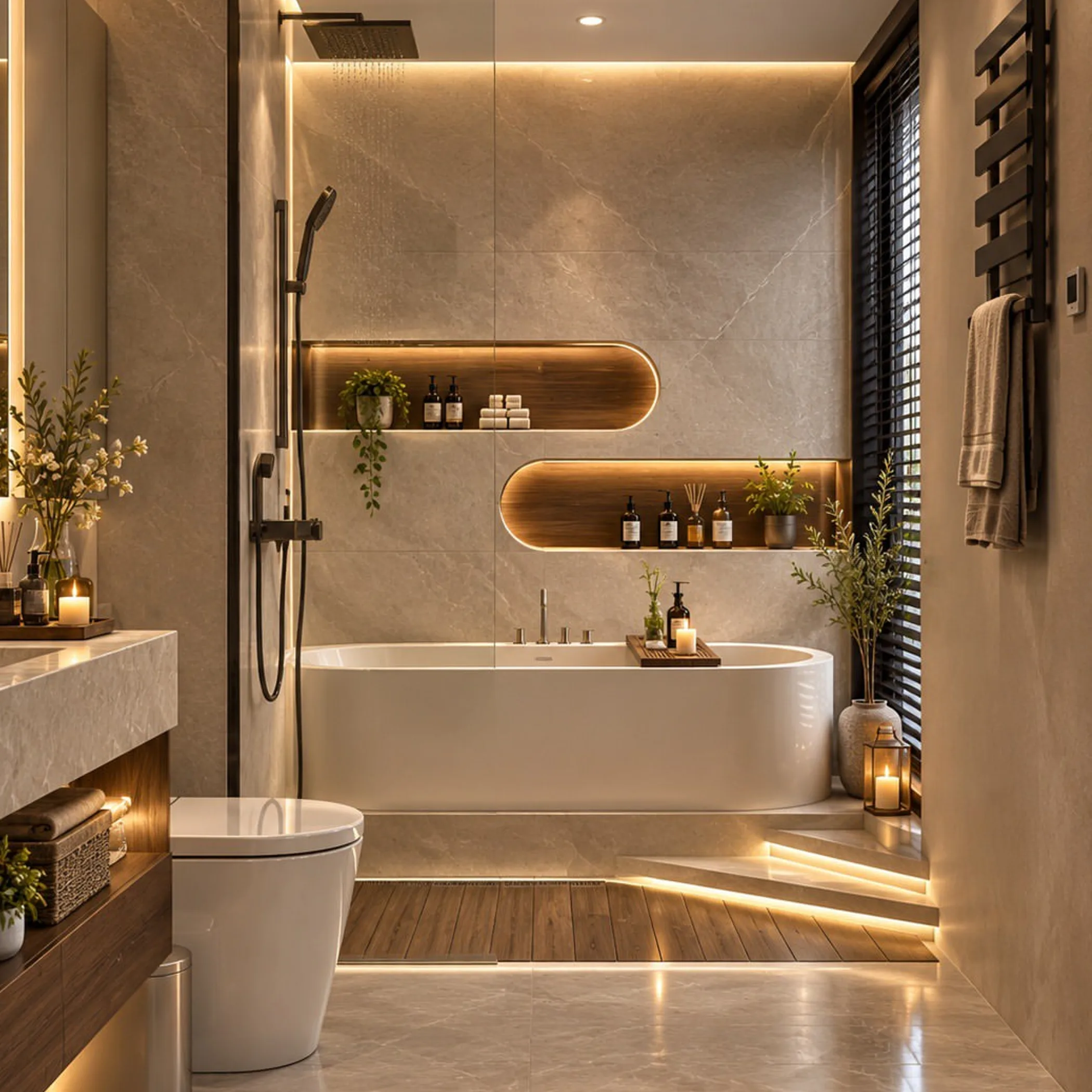
More than is often thought, a bath or spa installation means more penetrations and splash. The waterproofing has to be suited to the fixture, be it freestanding, built-in, against a wall or in conjunction with a shower. It is easy to make the error of ceasing protection at the edge of the bath you can see; yet water has a way of getting behind the rim, through the plumbing and at the wall junctions. A bit of silicone is no substitute for a membrane underneath that is absent or in poor repair.
Should You Put A Shower Over A Bath?
In that case, for the purposes of waterproofing it is a shower area. Any walls in the line of the spray are to be given the proper treatment and the junction between bath and wall detailed to keep water from running behind it. With a freestanding bath, take stock of the splash zone, the finish on the floor and how one gets to the plumbing. A gap for ease of cleaning is fine, but it also opens the way for water to an unguarded wall or floor. Such things are best sorted before the plumber is putting in another hole and the membrane goes on.
Walls And Floors
You will find the majority of waterproofing problems at movement points, penetrations and where the direction changes, not in the expanse of an unbroken floor. Wall and floor junctions therefore warrant more of your time than a tile sample. AS 3740 work calls for the right sealants and bond breakers and attention to mixers, wastes, niches and pipes. Do not think because two products are from the same hardware aisle they are interchangeable; the manufacturer’s instructions are to be heeded.
Critical Heights To Be Measured
A typical detail for a shower wall has the waterproof zone going some 1,800 mm above the shower floor, depending on the construction and provisions in place. For a bath with no shower, 150 mm over the rim is the usual benchmark. But these need to be put to the test of what NCC and AS 3740 demand for the project.
It is the finished level you measure from, not some rough framing. Should the floor go up with the screed or the bath is at an odd height, the zone of protection is lower than you want. That is how you get something that looked fine on a Friday and is leaking by winter.
Laundries And Utility
Because they do not get as much direct water as a shower, laundries are sometimes not given the waterproofing they should have around the trough, washing machine, taps and so on. As to whether the whole floor calls for a membrane, that is a question of the design and the NCC. One should not follow a bathroom detail without thought, but neither is a laundry off the hook for water management.
Leaks And Spills
A flexible connection or valve on a washing machine has a habit of failing. Put the appliance in a spot where a leak is visible and controllable and put in the right isolation valves. Do not let water be trapped in the cabinetry and see that junctions and penetrations are sealed per the system.
On a renovation the order of business is plain: have the layout and substrate in order, put in the plumbing rough-ins, get the falls and penetrations ready, then the membrane, followed by an inspection and the surface finishes. Make a note of it with a photograph of the membrane prior to tiling; two minutes now precludes an argument down the track.
2026 And Beyond
Projects under the NCC 2025 umbrella in 2026 will be subject to its wet area rules, though jurisdictions and the type of project will see different rates of transition. The NCC is no private manual, it is run by the building regulation systems of the states and territories.
Check the official source for Part 10.2 and Specification 26 if the adopted provisions so dictate. Have the designer, certifier or builder verify that the work is in keeping with the current provisions or an approved Performance Solution.
Casual Mixing Of Editions Is Not Advisable
It is all too common to see someone cull a detail from an old renovation, put it together with something from a product brochure and an online forum and pass the mix off as sound compliance advice. But between NCC 2022 and 2025 and the way states have made their adoptions, things do not always chime for a given job.
The place to start is with the National Construction Code information from the Australian Building Codes Board in an authoritative fashion; from there you will want to put the adopted requirements to the project certifier and the building authority of the state or territory for confirmation.
State And Territory Rules
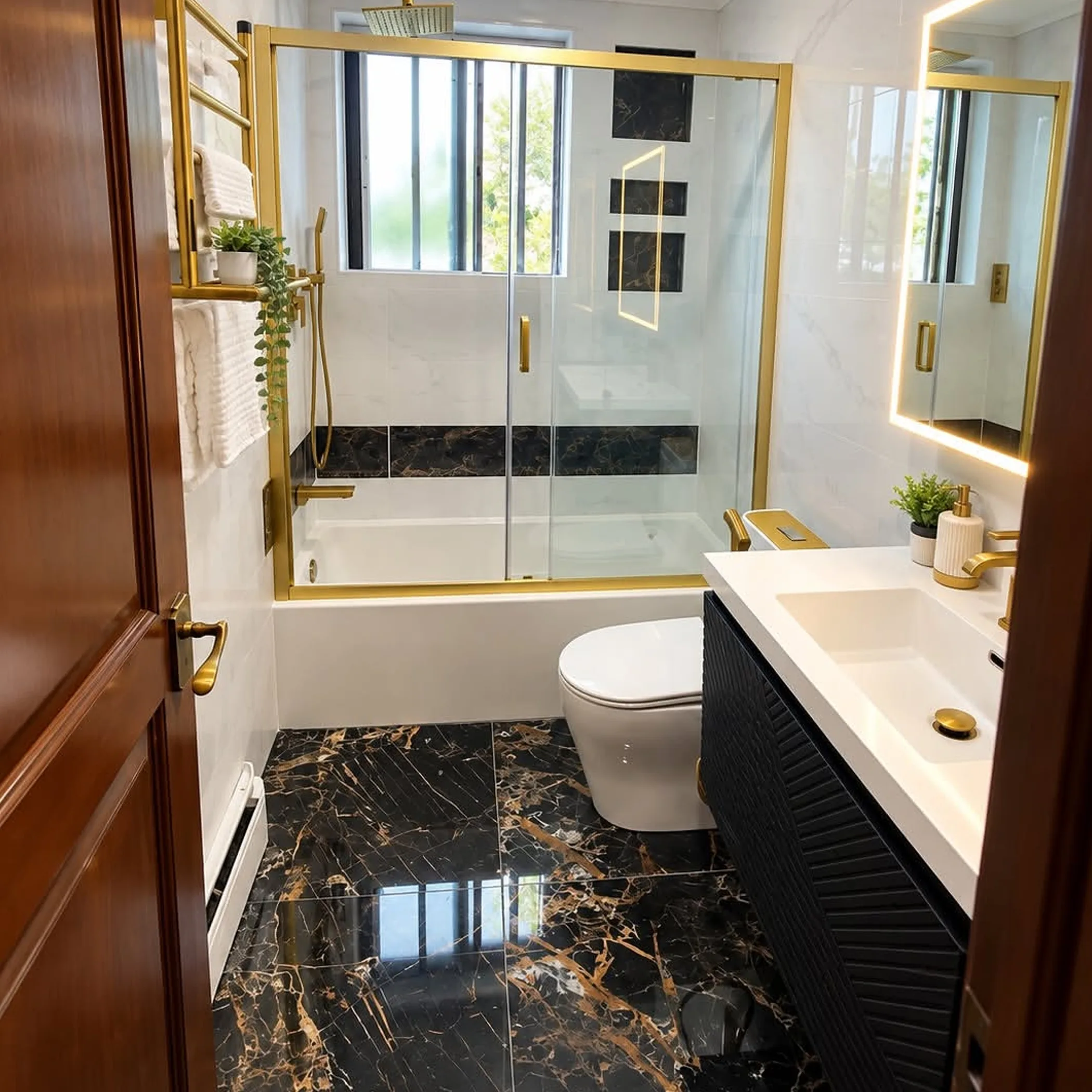
The national code is the basis for NCC wet area requirements in NSW, Victoria and Queensland but one should not assume the approval process, plumbing rules, licensing or any transitional arrangements are identical. A bathroom detail can call for different paperwork or a licensed practitioner of a certain kind depending on location. In Victoria the building surveyor and what is required for plumbing might be two separate compliance matters. In New South Wales and Queensland it is necessary to look at local inspection and certification and licensing. The prudent course is to make out who the approving authority is prior to any demolition, rather than once the tiles are in the driveway.
Getting Your Documents in Order
On an ordinary project there are certificates, photographs of the work before it is covered, inspection records, installer and product technical data, the waterproofing specification and approved plans to be had. Put them in order and find out which party has the onus of verification at each stage, be it the owner, builder, waterproofer, plumber or the like.
Then there is the matter of cost. An itemised quote in dollars is called for to see if rework, substrate repairs or extra coats are part of the deal. A full reno will have demolition, tiling and certification on top of the labour and membrane products that a small bathroom waterproofing task would entail.
Waterproofing Errors To Steer Clear Of
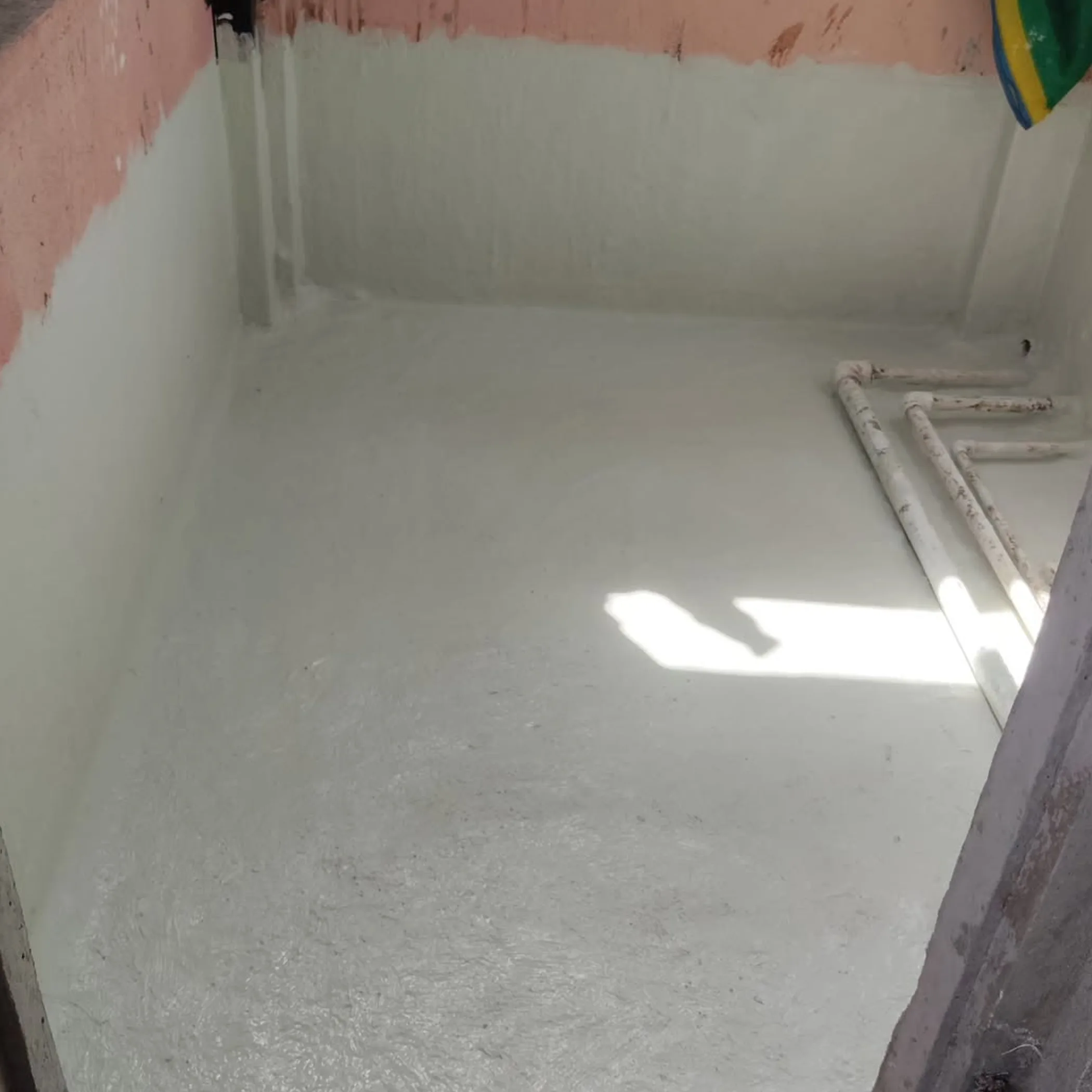
Most will put too much store by the brand of membrane and not enough on the system as a whole. No product is going to make up for poor falls, a wet substrate, unsealed penetrations or a tile finish that sends water away from the waste. One also sees other trades making short work of the membrane after it has been inspected; a new pipe, a screw or niche fixing is an open invitation to a breach. The one putting in the screen should be aware of how to seal penetrations and where he can drill.
A Checklist For The Site
- Make sure you have the right NCC edition and the state or territory variation and approval pathway.
- Know the manufacturer instructions, the condition of the substrate and the system of waterproofing.
- Look at the shower falls, the position of the floor waste, hobs and thresholds.
- Junctions, niches, mixers, door openings and pipes on the wall and floor warrant a good inspection.
- Before tiling go over the membrane with a camera and hold on to your invoices and certificates.
- Do not let later trades cover up or put holes in substandard work.
Where access is unusual, the room is an apartment or the shower is level-entry, get a written detail first. It is less expensive than having to come back and pull down a tiled wall after a five minutes’ talk.
Some Questions Answered
You will hear these asked often since the nomenclature in wet area rules is easy to confuse in normal parlance. The following are the practical answers though the approved documents will have the last word on any particular project.
NCC Waterproofing Standards For Wet Areas?
Construction requirements are set by the NCC and AS 3740 puts forward the accepted way to do domestic wet area waterproofing. What is needed will be dictated by the construction system, the room, exposure to water and the NCC provisions in force. The membrane maker’s instructions are to be followed for a compliant installation.
The Australian Standard?
AS 3740 is the one most often put forward for the purpose. See what edition the NCC and project approval refer to. Commercial buildings, balconies and the like may be subject to other standards.
Is Waterproofing Mandatory?
In some areas of a wet room yes, in others water resistance will suffice. Direct water on a shower floor and walls calls for the most robust protection. Elsewhere in the laundry or bathroom incidental water has to be dealt with by the drainage, finishes and junctions.
What Of Balconies?
They do not fall under the domestic bathroom provisions without more. There must be proper detailing of the edge and threshold, drainage and falls as per the NCC and an approved design. Wind-driven rain and movement are unforgiving so take advice from a qualified practitioner.
Can you use tiles in lieu of a membrane?
Not at all. Grout and tiles are a finish only; they offer no guarantee against water getting through cracks and movement points. The membrane has to be done first.
A Proper Sign-Off
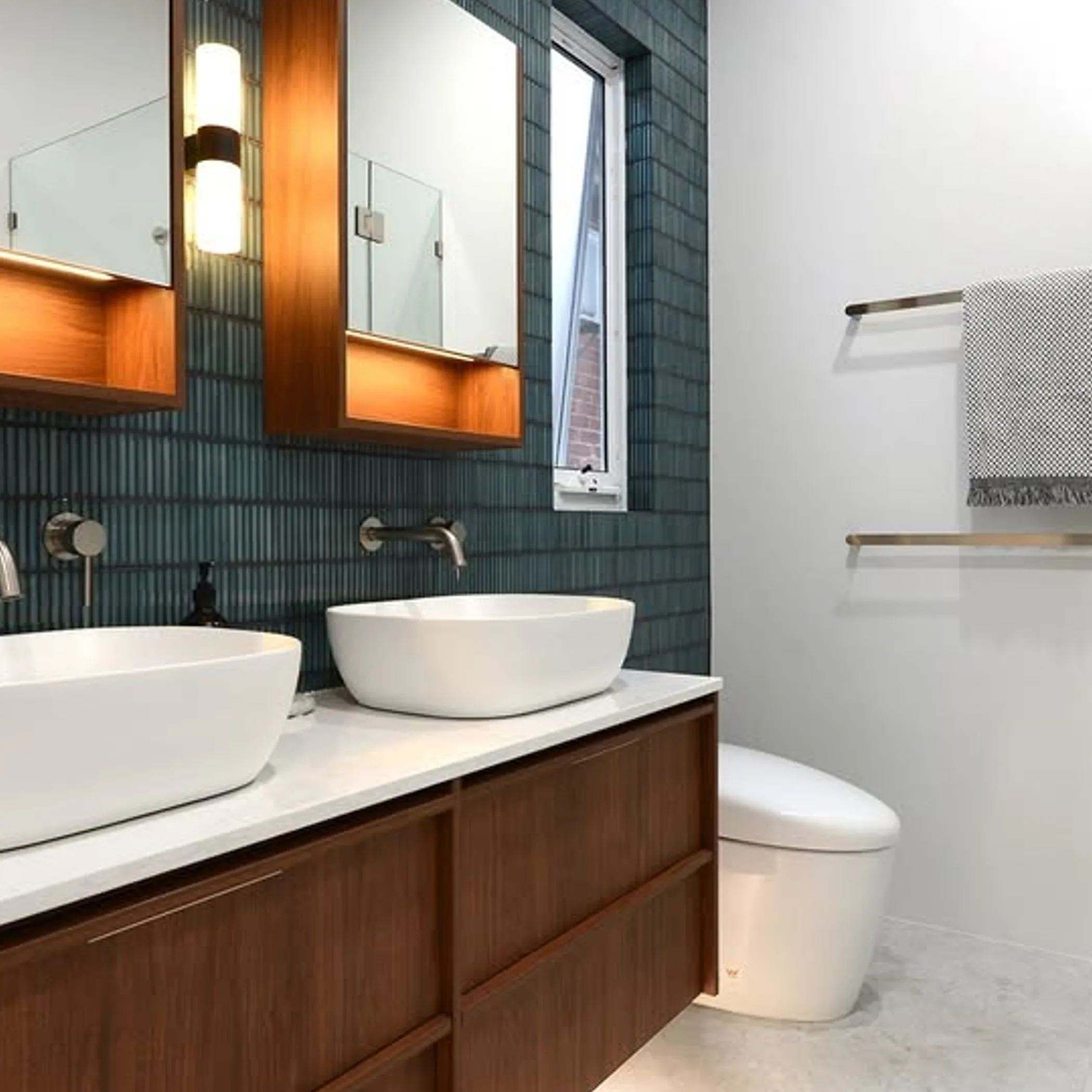
When wet area work is right you will not think of the membrane again. The laundry is fine even if a hose gives way and the shower is dry and drains well.
For 2026 work, follow the current NCC and AS 3740 and put the state or territory requirements in order. Document it all before it is hidden behind tiles. That is what the regulations mean: water is to be managed, not left to a bead of silicone.
