There is no single answer to how long a hair system will hold up in this climate; it is a matter of base material, type of hair, your daily regimen, local weather and how you go about attaching it. Put simply, regular wearers can expect two to six months out of most systems. Those who are more assiduous may put some extra time on that figure, whereas anyone subject to hard UV, salt water, a lot of swimming or heavy perspiration will be looking at a replacement in short order.
My name is Dominic Hawthorne. I have made my way around the coast and the bush of Australia for the better part of my life and have had to contend with its brand of stubborn weather. Whether it is the salt air at Ningaloo or the dampness of the Victorian coast, one learns that heat and moisture will get to every weak point in due course. A hair system is as vulnerable as any other thing. Then again, with a sensible approach to maintenance and a system suited to what you do, the conditions here are not unmanageable.
Setting Your Expectations
Those enquiring after the lifespan of a hair system are often after a tidy number. You will not find one. Unlike a tyre with a date on the sidewall, there is no set day for replacing a hair system. One put to daily use in Brisbane is under different strain than a part-time affair in Canberra or Tasmania. recurring hair system care costs can also vary.
The following should be taken as planning estimates for a well-fitted system in good hands, not a guarantee. We are not talking about a system that has been put through an Australian summer with three swims at the beach and a rough towel dry.
| System Type / Use | Practical Lifespan | What causes the wear |
|---|---|---|
| Lace base (daily) | 2-4 months | Stress on the base, tangling, shedding |
| Polyurethane base (daily) | 2-6 months | Lifting at the edges, adhesive build-up and heat |
| Human hair (part-time) | 4-8 months | Less frequent washing and wear |
| Synthetic | 2-6 months | Fibre fatigue from heat styling and friction |
| For the avid swimmer or outdoor type | 1-3 months | UV, chlorine, salt and sweat |
Do not read too much into these figures as a national average. They are the kind of service-planning ranges we see for durability. If your base is of a delicate nature or you are only putting a system on now and then, your schedule for replacement could be quite another.
The Effect of Daily Wear
Wearing a system every day means constant friction from your hands, clothing, a hat or helmet and even your pillow. And if you are in a humid corner of Queensland or New South Wales, or train hard, you will be washing it more often.
Part-time use tends to be kinder to the system, lessening the mechanical stress and giving it time to dry out. But you can still have trouble if you put it away damp or do not clear the adhesive from the base. A day off is no substitute for looking after your scalp.
Climate Risks in Australia
You have the humidity of Queensland, wind off the WA coast, the wet season in the Northern Territory, cooler climes in Tasmania and Victoria’s whimsical weather. All of it takes its toll. Environmental stress is the common denominator: UV will dull colour, moisture and heat promote residue and make adhesives soft, while salt and chlorine have a way of drying out the hair and making it brittle. The Bureau of Meteorology’s seasonal conditions information has some sound information to work with.
When It Gets Hot
In high temperatures tape and bonding adhesive can lose their grip at the hairline. Throw in the oil, salt and moisture from sweat and you may see some lifting at the front, particularly with a cap or helmet in play. That is not to say a system is not fit for hot weather, merely that your attachment products should be commensurate with your activities. Someone in an air-conditioned office is not in the same position as a man working machinery in the Pilbara.
Humidity and Tangling
In humid conditions a hair system can be difficult to control and feel rough. Human hair is prone to frizz and swelling as it soaks up moisture, and lace is not very agreeable when you have sweat against the scalp. The wet season in the Top End and parts of Queensland can be exacting; the heat does not let up after dark. Make sure you wash properly and give the system ample time to dry before donning a hat.
UV Exposure
Long periods in the open will eventually weaken the shaft of the hair and fade the colour, something to bear in mind with lighter tones or chemically treated hair. A wide-brimmed hat is of some use, provided it does not chafe the hairline. One should be wary of a hat that is too snug; it will do as much damage to the attachment as it protects the colour. As with most things, there is no virtue in just putting on more hat.
The Right Base Material
What one puts on makes all the difference to comfort and how the piece looks, as well as to ventilation and the life of the system an Australian can expect. There is no material that will outlast another for everyone. In the end durability is a compromise of realism, toughness and breathability.
Let your day-to-day dictate the choice. In coastal Western Australia you might put a premium on salt-water resistance and good ventilation, whereas in Melbourne a secure hold to stand up to the commute and the weather is more to be had.
Lace Bases
For better airflow a lace base is generally preferable, being more agreeable when the heat is on or one has been exercising. The mesh lends itself to a natural look by letting the scalp be seen. Then again, lace will shed, stretch or tear if you are not careful. It is not a tarp but it is not unduly fragile either. Handle with care when washing or taking it off; combing from the roots or a hard scrub will see its days shortened.
Polyurethane Bases
Also known as a skin base, polyurethane is a cinch to clean and gives the adhesive a firm surface. Some will find it suits them for a smoother area of attachment and a less involved cleaning. The downside is it is warmer, offering less in the way of ventilation than lace and the sweat may soften what is under the base. On paper the durability is appealing but in the Northern Territory or tropical Queensland one’s comfort will be the deciding factor.
Human Versus Synthetic Hair
There is no better option for styling flexibility and a natural movement than a human hair system, though it requires more by way of conditioning and protection from dryness. A professional can put colour in it or style it with heat. With synthetic hair you get a finish you can count on and it holds its shape without much fuss. But synthetic fibres will not take kindly to the heat of a straightener or a hot car, so adhere to the supplier’s limits.
Summer Care for Your System
To put off the inevitable and reduce stress on the system one must be diligent: control the sweat, eschew harsh products and be gentle with the base. I have made a rule of it after years by the sea: rinse early and dry properly, and do not delude yourself into thinking salt water is a conditioner. It is not. Nor is chlorine or sunscreen residue.
Checklist for the Summer
- After a swim in the salt or chlorine, rinse with lukewarm water.
- Stick to products intended for hair systems, not an aggressive clarifying shampoo.
- Use a soft towel to blot rather than rubbing.
- Make sure the hair is fully dry before putting on a hat or going to bed.
- If your stylist says so, use some leave-in conditioner on the lengths.
- Do not wait until the attachment is giving you trouble to make an appointment for maintenance.
How often you wash should be dictated by what you do, not the calendar. An overzealous approach will dry the hair, while not doing enough leaves the scalp with adhesive and sweat. A runner in Brisbane will be washing more than someone in Tasmania who is not so active.
Swimming and the Outdoors
You can wear a system in the water but it will not last as long. Salt dries the hair and chlorine makes it brittle, to say nothing of weakening the tape or bonding. New wearers in particular are taken aback by the expectation that a system with a base and processed hair will behave like growing hair. It needs to be looked after.
Prior to Swimming
See that the attachment is sound and have a look at the hairline for any lifting; a loose edge will only peel further once wet. Pre-wet the hair with fresh water to limit absorption of the chlorinated or salty kind. A cap is sensible for the pool, but pick one that will not tug at the front. If you are out in the ocean, or in a tinnie surfing or diving, allow for the rigours of it and more upkeep.
After Swimming
Once you are done, get a good rinse in with clean water at the first opportunity. Put on some conditioning as your stylist would have it and let it dry of its own accord or on a cool setting. There is no point going to sleep with salt or chlorine in the hair.
Those who are in the water often will find they have to replace their system on a tighter timetable and put in for professional maintenance with greater regularity. Make it known to the consultant if you are an avid swimmer, before you decide on the base and how it is to be attached.
Replacement: When Is It Time?
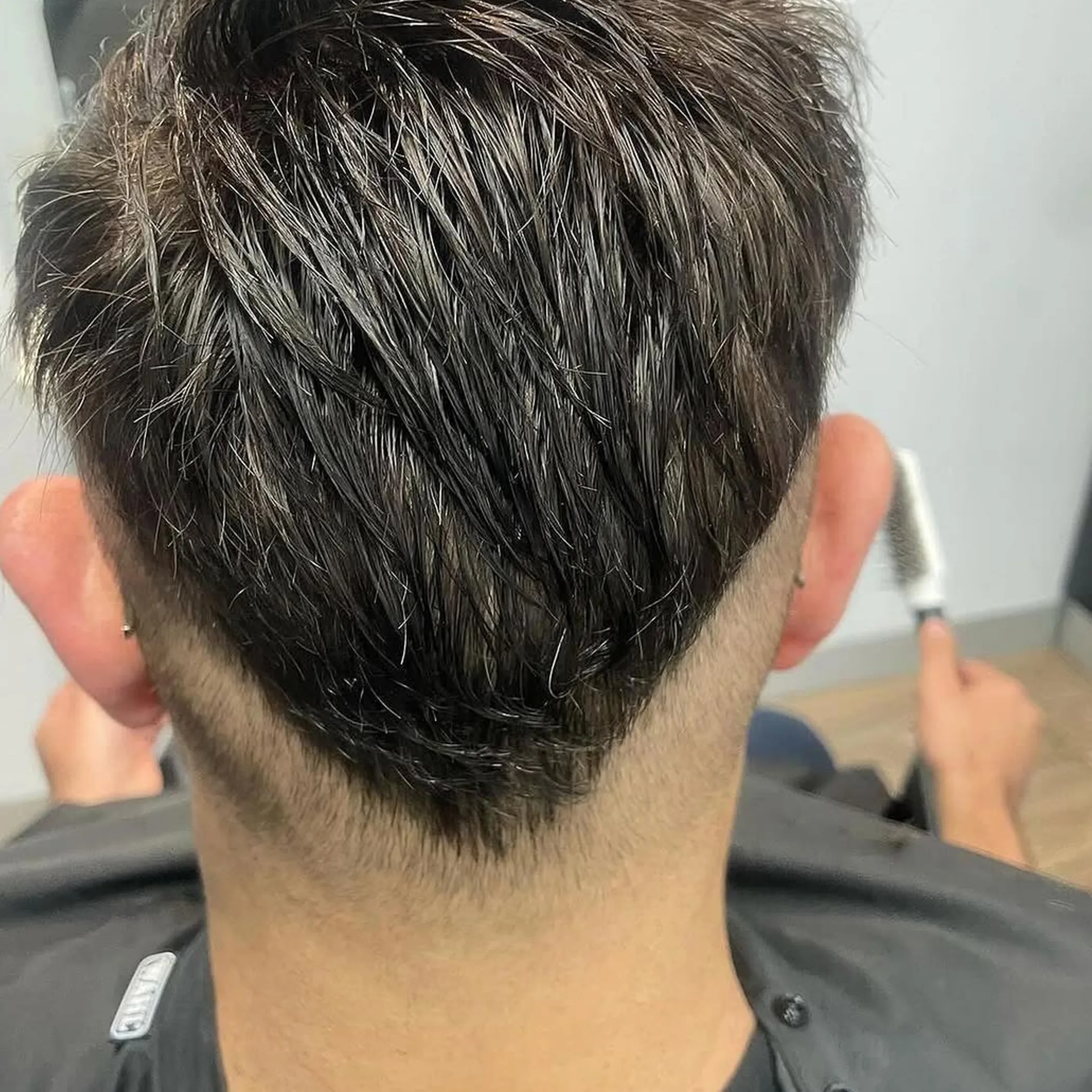
A hair system need not be in tatters to have run its course; being aware of when to make a change spares one from the discomfort or embarrassment of minor defects turning into major ones.
Put in for an assessment should you find the base hard to get clean, the hair unresponsive to conditioner or the attachment giving way even after proper preparation. Better to have a replacement that is planned and unhurried than to make an emergency of it ahead of a wedding in the family.
Warning Signs To Be On The Lookout For
You will know by the thinning showing through, the colour going patchy or dull, a lace base that has stretched or polyurethane with cracks in it. Recurring odour, adhesive that does not come off without a fight, edges lifting not long after you have put them on, and tangling that will not be put right are all tell tale signs.
Do not discount any soreness or itching of the scalp, redness or broken skin; these can be a reaction to an attachment product or too much moisture. If symptoms do not abate, take the system off and get some advice, professional or medical as the case may be.
The Cost Of Maintenance
For the Australian shopper the outlay for a hair system is more than what was paid at the counter. Factor in the adhesive, tape, shampoo, conditioner, styling, refits and the like and you have the real cost of ownership. Some forethought over these recurring expenses takes the stress out of it. Put something aside on a regular basis according to your replacement cycle, with a little extra for a hard summer or unforeseen damage.
Lifestyle Considerations
One might not have to replace a system as often with a sedentary lifestyle but there is still maintenance to be had. A gym goer, an outdoor worker or a swimmer will be putting down more for refits. There is no virtue in either; the budget should be commensurate with the way you live.
Get a written estimate from the stylist for the system, the fitting, consumables and visits for maintenance. Check that the prices are in AUD and if there is an additional charge for colour work or repairs. An inexpensive system at first can prove costly if it does not hold up to your routine or the climate.
Then there are the logistics of transport and appointments. Set aside the time to have it removed, the scalp cleaned and the system put back in place and styled. Should you be coming from regional Victoria, Western Australia or Tasmania, try and combine maintenance in a single sitting. And on a long drive down the Stuart Highway or some other remote road where a specialist is not as easy to come by as a servo, have a spare kit of attachments with you.
Frequently Asked Questions
How Long Will A Hair System Last?
With daily wear two to six months is typical. Part-time use and good care can put that figure up, heavy perspiration and UV exposure or rough treatment will put it down.
Is There More Life In A System During Winter?
Cooler, drier weather means less to soften the adhesive or create humidity so they can last longer. But do not count on it; the dry air and indoor heating, not to mention hats and friction, will do their damage.
What Of Humidity?
It will show in the form of frizz and tangling and movement in the adhesive, more so with human hair than synthetic. A bit of drying and conditioning and some sound advice from a professional will mitigate this.
Swimming?
There is no reason not to, though salt and chlorine are hard on a system. Have a qualified stylist put you on to the best one for water sports, then rinse right after, do not be too vigorous with the towel and see to the attachment.
When To Replace?
Every couple of months to half a year for the most part, but it is a matter of the condition of the base and hair, the climate and so on. If the hair is badly thinned or the base is damaged, or you have scalp trouble, do not wait.
Which Type Is Most Durable?
Hard to say. A thick polyurethane base can stand some handling, a lace system in good order is fine for those wanting some airflow. You want one that is suited to your activities and looked after.
Hot Weather Care
Wash as you would for the activity, control the sweat, use nothing harsh and make sure the system is properly dried. Do not let the hairline lift and keep away from too much heat from the dryer. Book in for some professional attention now and again.
Will A Hair System Work In Australia?
Certainly, in Queensland, NSW, Victoria, WA, the NT and Tasmania. One may have to make allowances in the base and the way it is maintained for the local heat and UV.
A Practical Schedule
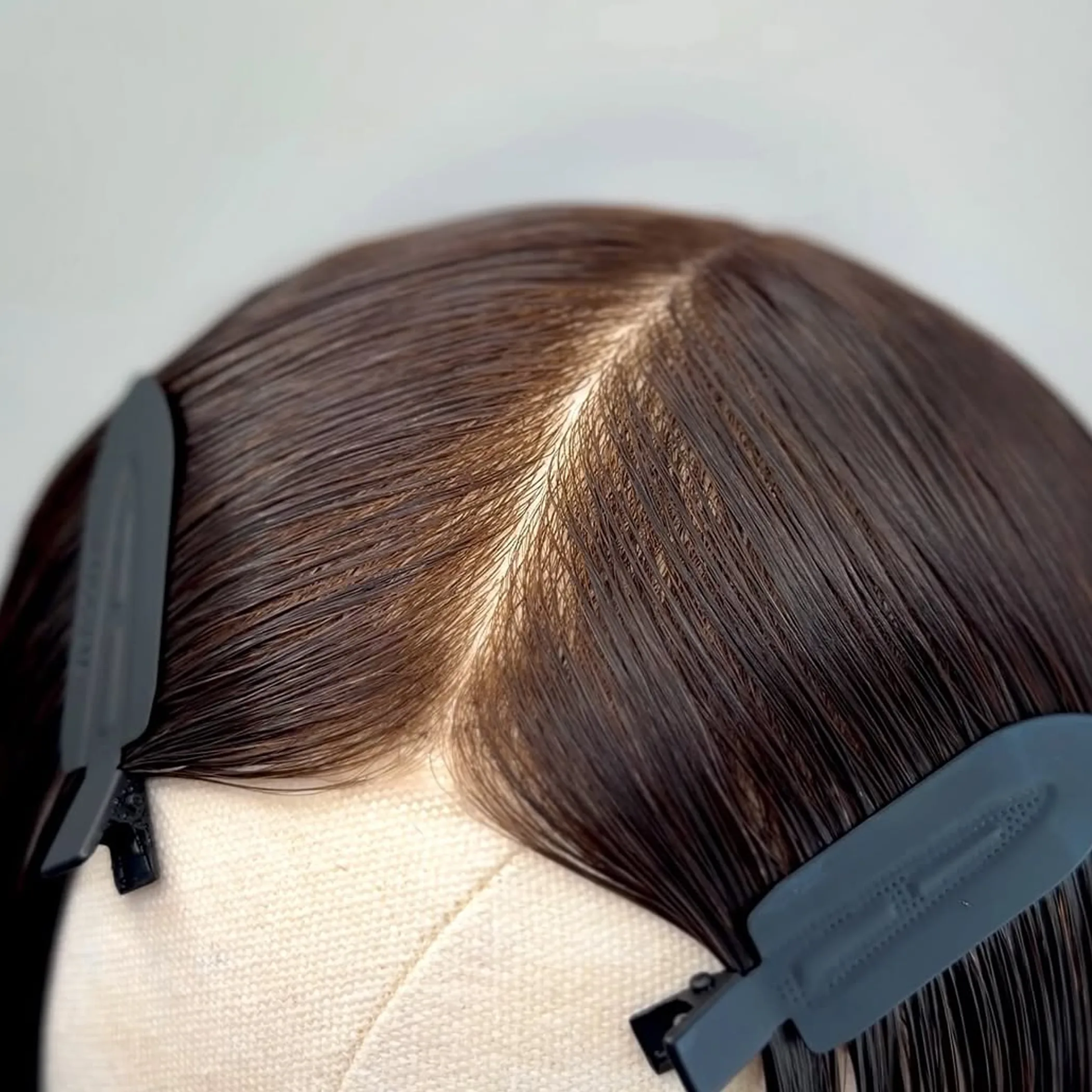
It is not enough for a hair system to be presentable on the day of purchase. What you want is something secure and comfortable for the week ahead, whatever the weather or whether you are at work or the beach.
In trying conditions expect to be replacing it more often. Talk to your stylist about the demands of your life, be it sweating or swimming. With the right materials and a clear head, a hair system can be relied upon despite the rigours of an Australian climate.
