There is a basic rule for heat safety when you are out in the desert of Central Australia: should it get too hot, put off the walk. The Red Centre has a way of appearing deceptively tranquil but the combination of remote terrain, dry air and intense solar exposure will erode your margin of safety if you are not careful.
My name is Dominic Hawthorne, Dom for short (if you have a moment and a flat white to spare). I have spent my fair share of time in the bush over the years doing park work and outdoor tourism in far flung places; one learns that preparation is rewarded and bravado is not. What follows is a guide to hiking safety here in Central Australia, from planning your water and sun protection to the errors that tend to befall travellers and how to respond to an emergency, with advice for safe national park trips for broader journeys.
The Dangers Of Heat
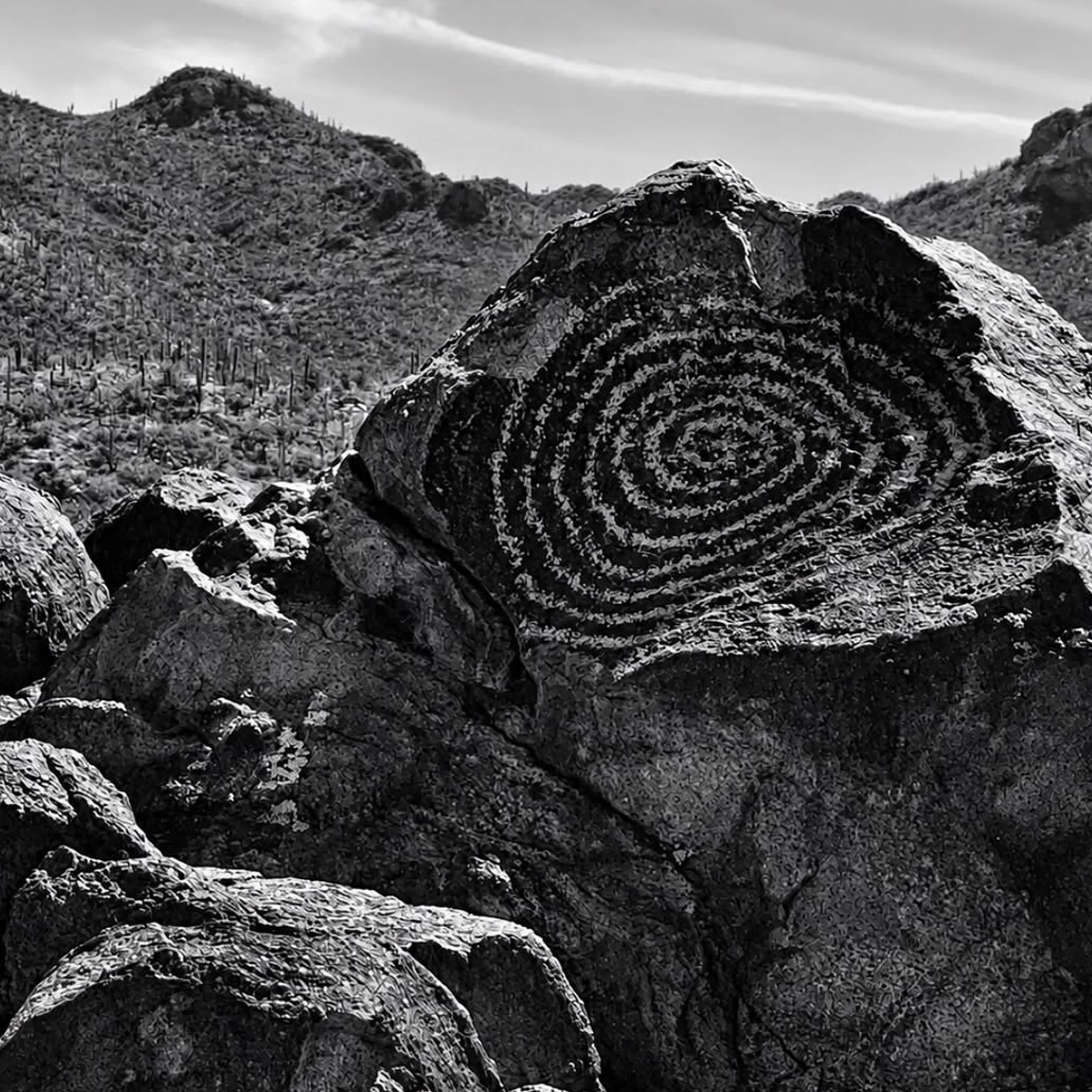
You have long distances to cover with little shade, low humidity and the sun bearing down. Something that was no trouble near the car park can turn into an issue once your pace is gone and you are running low on water with no respite in view.
Then there is the effect on your judgement. It is easy to think you are “nearly there” and press on, yet heat exhaustion is a precursor to heatstroke, which is a medical matter. The country will not make allowances for your schedule.
Risks To Be Aware Of
When you lose more fluid than you put in you are dehydrated. And since sweating takes its toll on your salt levels, chugging litres of plain water without some food and electrolytes to offset it can lead to hyponatremia. Not as common as dehydration but it is why sensible hydration is better than forcing it.
Symptoms of heat exhaustion run the gamut from cramps and nausea to dizziness and an odd sort of fatigue. With heatstroke you may see a person become confused or even collapse. If you suspect as much, do not stand around wondering if they are just having a hard day of it; they require rapid cooling and medical attention without delay.
Do Your Checking
Before you are on the walking track you should have made sure the national park trip is going to be a safe one. Look at the forecast, any official alerts, fire restrictions and the state of the access roads. Northern Territory Parks and Wildlife and Parks Australia are good sources of current information. For Uluṟu-Kata Tjuṯa National Park, consult the visitor information provided by Parks Australia.
Transport And Access
Out in Central Australia the destinations are far apart and you can find mobile service wanting outside of the developed zones. Make certain of your route, whether you need a four-wheel drive or shuttle and if the road is sealed. A pass from NT Parks or permission to be on Aboriginal land does not automatically entitle you to every activity or destination in a place like Uluru, Kings Canyon or the Larapinta Trail. Verify with the authority in question.
Also let someone know your plans, the track you are on and when to expect you back. Have a plan in case you do not make that time; it is not about filling in forms but to stop a late return turning into a search.
Make Time For The Cooler Hours
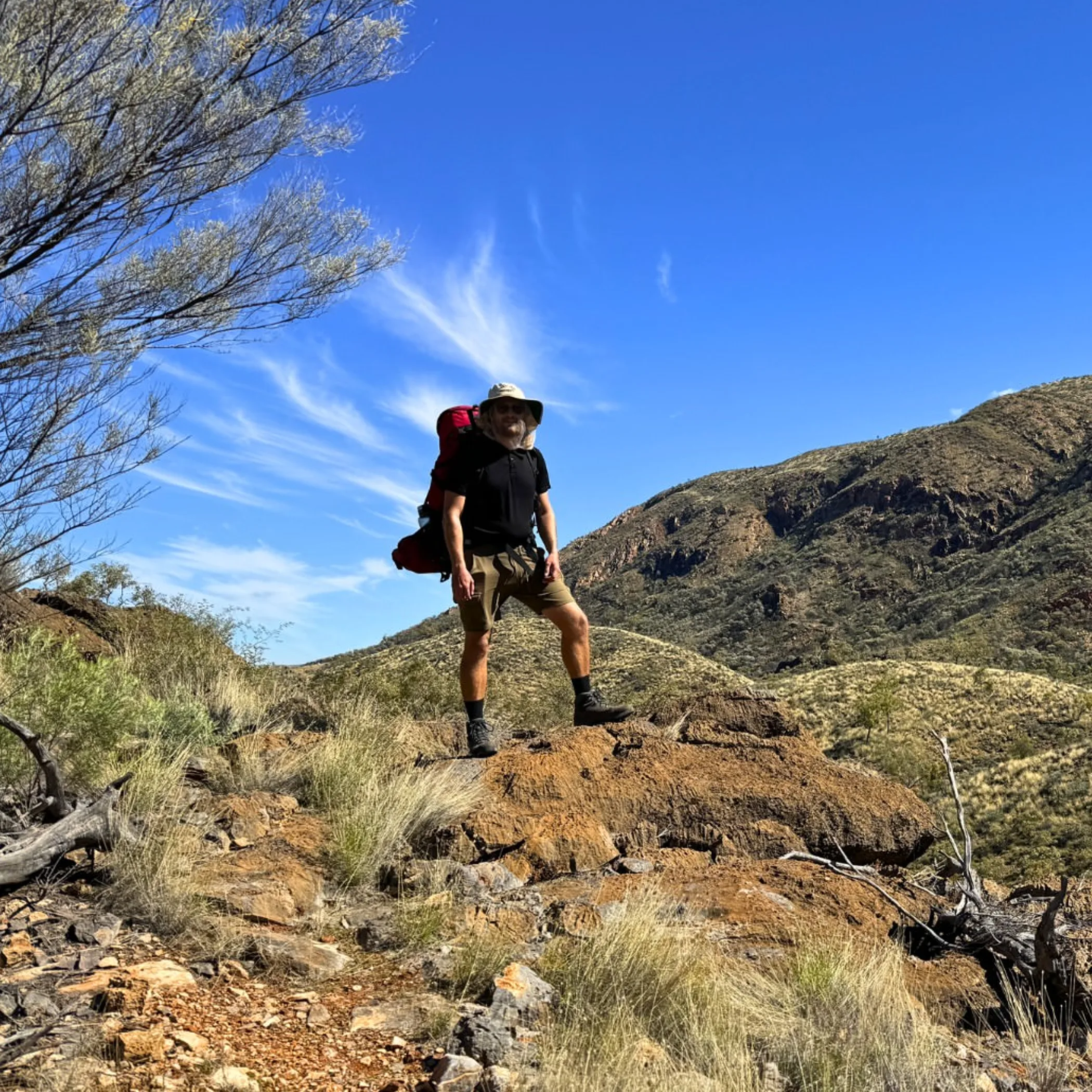
Hike in the early morning when the weather is hot, it is the prudent thing to do. You may be denying the doona before sunrise but your body will thank you. Even then, rock can give off heat and after breakfast temperatures have a habit of climbing. If the forecast is anything other than benign, leave the walk for another day.
A Rule Of Thumb
No two hikers or trips are the same and neither is the risk. Humidity, wind, fitness, age and medications all come into play. Forty degrees is unsafe for most on an exposed track where water is not assured. Let that be enough to steer clear of any exertion and heed the rangers. A protracted route can be hazardous at lower temperatures as well.
| Condition | Condition and the Safer Way to Go | What To Check |
|---|---|---|
| Warm, yet not overbearing | Take an early start on a more modest route with plenty of water in hand. | Make sure you have looked at the forecast, the fitness demands, shade availability and your time for the return. |
| Very hot or out in the open | A marked walk of shorter duration is better, or put it off. | Heed ranger advice and check for track closures and how one would gain emergency access. |
| Temperatures in the 40s | Leave strenuous desert hikes for another day. | See what the official alerts say and look for something to do indoors instead. |
| Heat warning has been issued or the track is closed | The affected area is off limits. | Follow any updated notices and the park authority’s instructions. |
One should consider these categories as a matter of practical planning; they are no replacement for medical counsel or a local warning. And since conditions have a way of changing from breakfast to lunch, verify on the day.
Water: Plan It, Don’t Guess
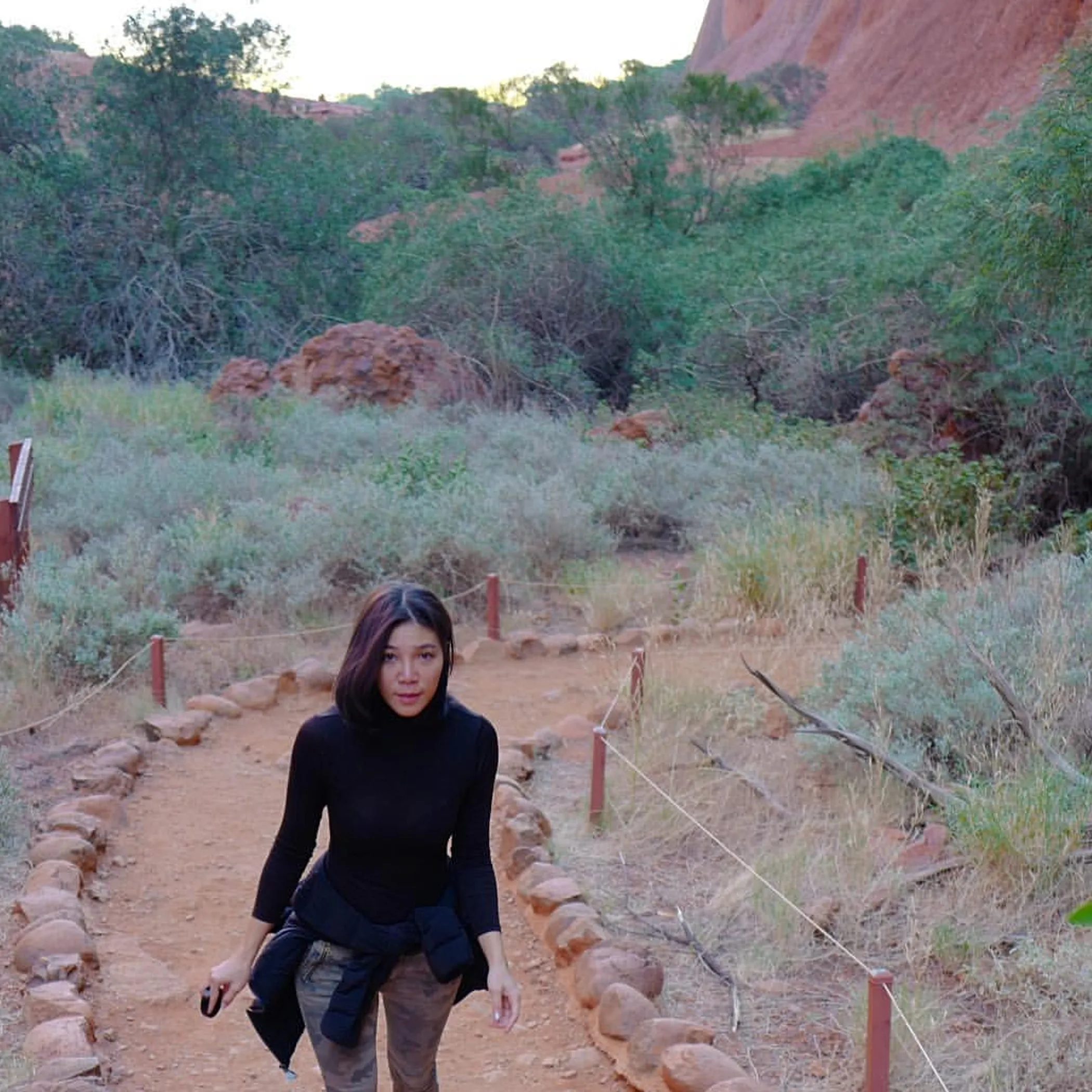
Hydration in the desert is a personal equation but “I will make do with a small bottle” is hardly a plan. Factor in the length of the route, the terrain, your pace, food, any delays and the heat you can expect.
Adopt a per person, per hour figure for your calculations and then put some leeway in for the track and forecast. Do not count on a tank or creek unless the authority in question has given you word that the source is there, treated and in operation.
Food and Fluids
Make a habit of drinking at intervals, do not wait to be in dire need. With activity that is prolonged and sweaty, have your normal meals and some salty snacks with electrolytes. Sports drinks are not a panacea that will render an ill-advised walk safe.
Unless there is a reserve to call on, a group should not be made to share one person’s water. Each walker must have enough for themselves with a margin for error, be it a wrong turn, a slower companion or the inevitable “we were sure it was just round the bend”.
Clothing for the Sun
To keep functioning for longer one needs to limit direct exposure from the sun. In Central Australia a hat with a good brim, sunglasses, long sleeves and SPF 30+ sunscreen are sensible.
Wear something breathable and light that will cover the upper arms and back of the neck. Put on more sunscreen when you have been sweating. A bare torso might make for an interesting photo but the sun will have its way with you.
And the spots you tend to overlook
Ears, hands, lips, the back of the legs and neck are often neglected. Have some lip balm with protection, a buff for the neck if you like and footwear with socks that can stand up to rough, hot ground.
A light insulating layer is worth packing too. The afternoon may be harsh but an early start or a desert night can be cold; to be without warm clothes after dark is to invite trouble.
Pacing
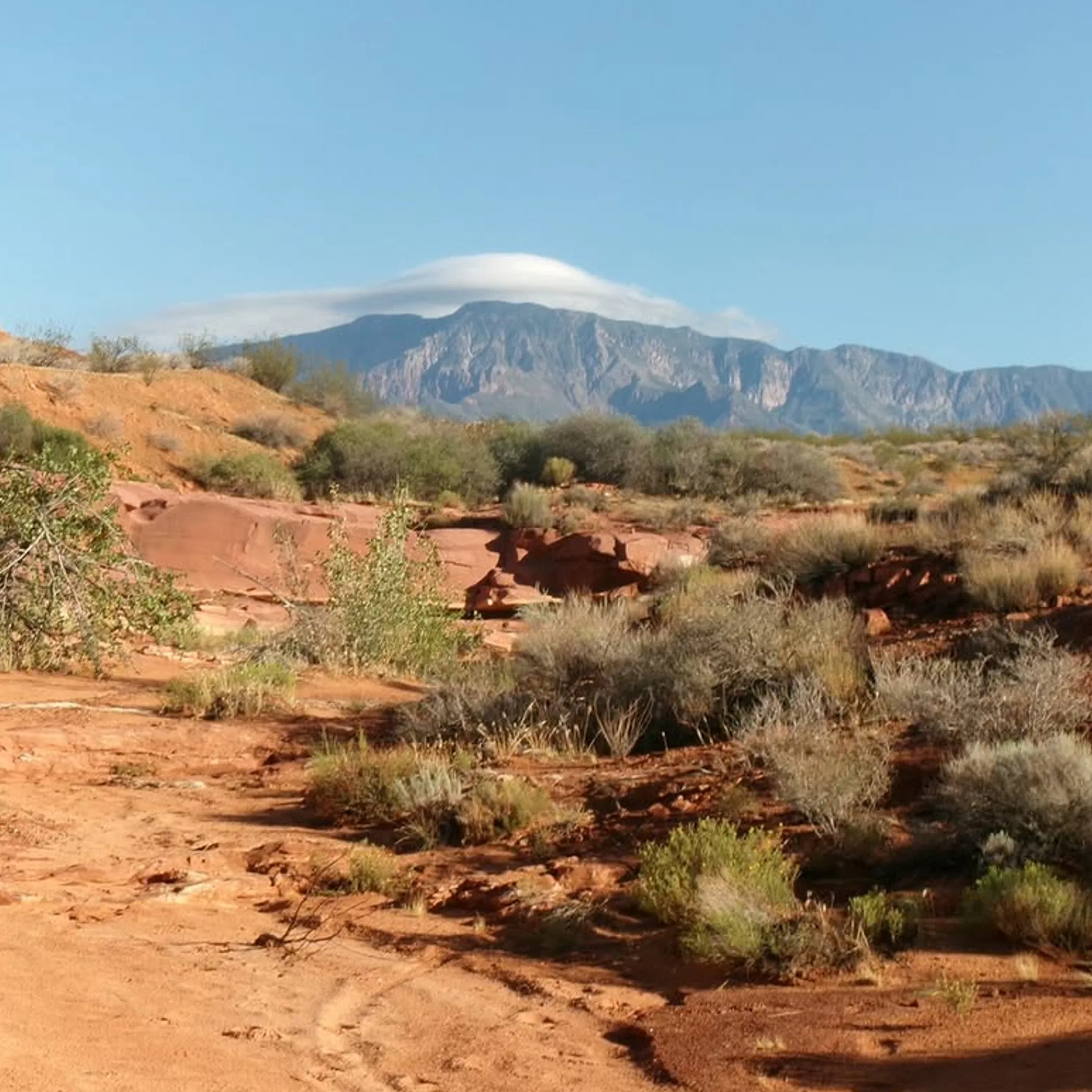
There is no need to set off hard. Keep your breathing even, take short steps and pause now and then so as not to expend energy you will want later.
Put in some time in the shade if there is some, though not at the expense of leaving the track. Have a bite to eat and cool your skin with water before you go on. Should someone become weak, sick or confused, make an immediate U-turn.
Where Travellers Are Mistaken
The reality is a short line on a map can be a long haul on soft sand or steep ground. Pictures have a way of making the landscape seem flatter than it is and a landmark will appear closer than it really is once you are past the next rise.
Do not let the group fragment with the strong ones pushing ahead and a slower member left behind. There is little mobile coverage in places so stay put together. The speed of one does not set the standard for the rest.
Spotting Heat Illness
If you see signs of heat exhaustion you must act. Get the individual into the shade, unbutton any superfluous clothing and cool them down in a measured way. Offer a few sips of water provided they are alert.
With heatstroke the signs are collapse, seizure, confusion or a marked change in behaviour. Summon emergency services and put in a call on your locator beacon while you continue to cool the patient.
When to Call It Quits
A headache, cramps, dizziness or an abrupt slowing of pace are reasons to stop. An individual can be blind to their own state so it is up to those with them to say something.
You would not leave someone unwell to have another go for help unless advised to do so by professionals. Make note of the track name, where you are and any landmarks.
A Safety Plan for the Outback
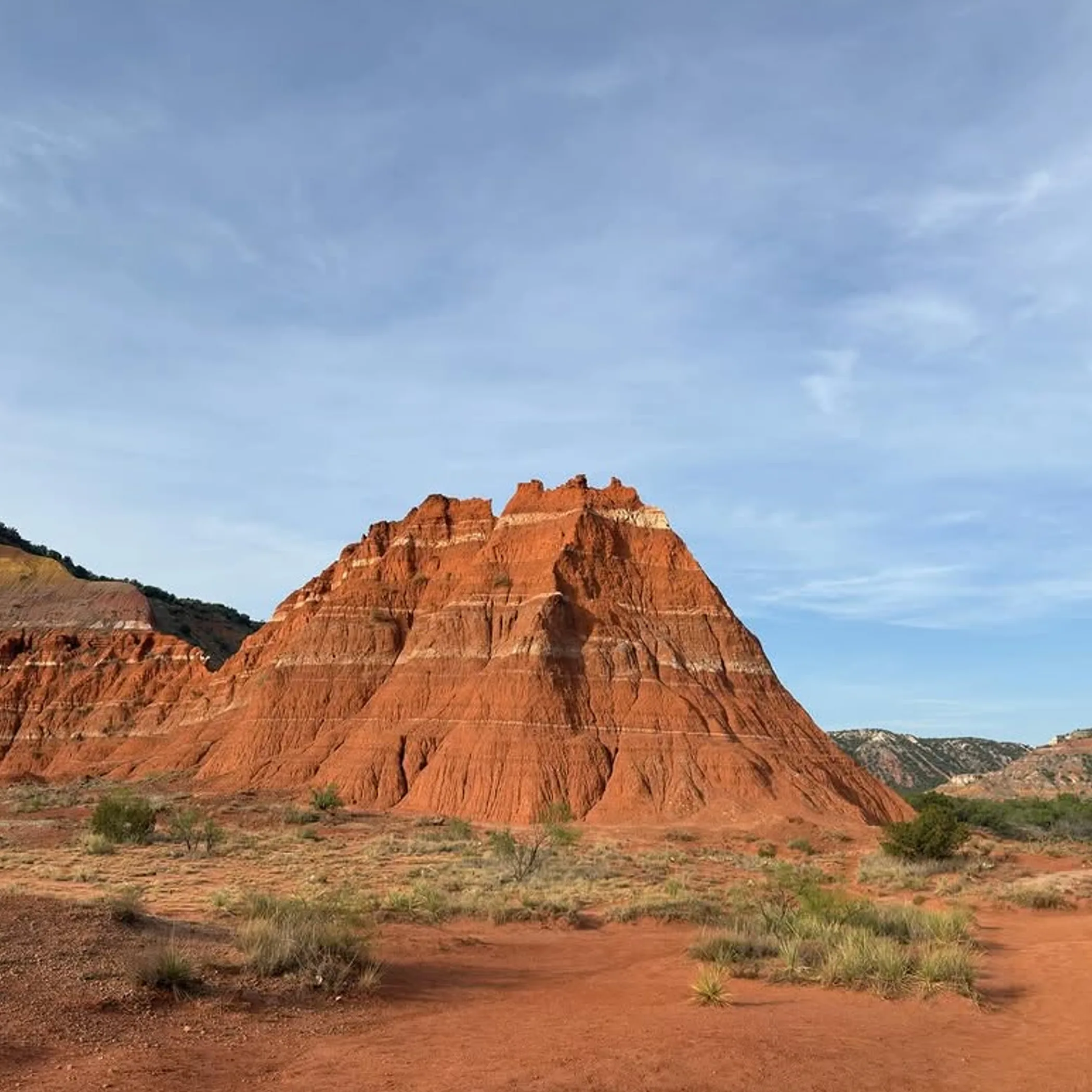
Hiking in the Australian outback calls for redundancy. A phone is fine to have but do not assume there will be coverage. On a multi-day or remote walk where a late response could be costly, a satellite phone or beacon is a prudent thing to carry.
Do not depart without having put in place your emergency contacts, the details of your vehicle and its registration, where you are staying, what time you should be back and a copy of your route. Make sure you have sufficient provisions for any hold ups and that the transport is capable of getting to the exit you have in mind.
A Methodical Response
- Halt and take stock of the person, the heat and what shade is available and safe.
- If you can, ring emergency services with your track position or location to hand.
- In a serious matter and with no means of communication, resort to a satellite phone or personal locator beacon.
- Put the person at ease, put in some water conservation and heed what the rangers or operators tell you.
- Stay as a group; there is no point in straying off looking for reception.
You will find rangers put closures on tracks for good reason: rockfall, flooding, bushfire or the like. Do not make an issue of it, a closure is not a personal affront.
Preparation For A Safer Hike
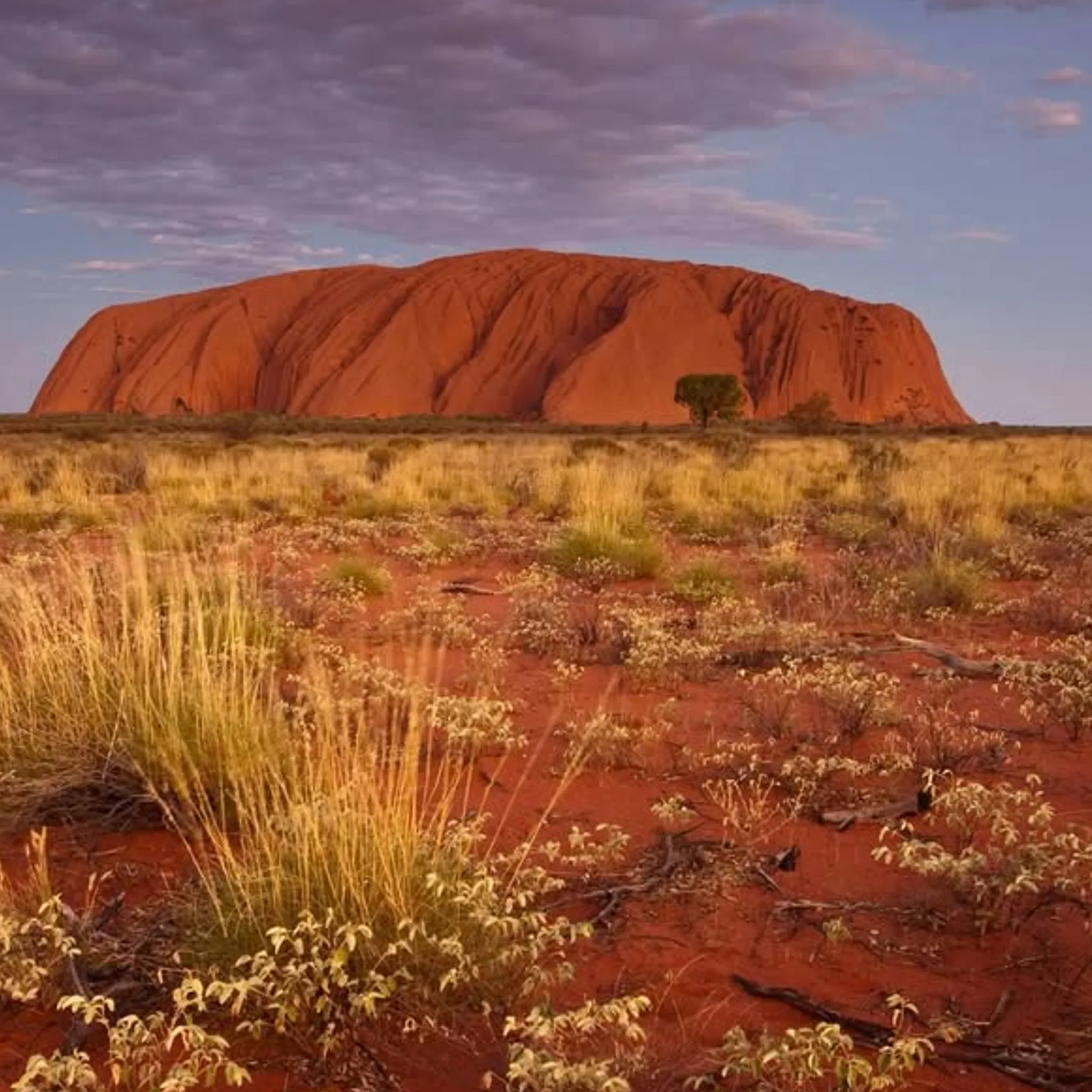
The equipment in your pack is there to prevent trouble and to see you through delays in a calm fashion. See that everyone is aware of where the first-aid and comms gear is stowed and try out anything you are not used to prior to the trip.
- You want ample water for the conditions and then some.
- A wide-brimmed hat, sunglasses, SPF 30+ and long sleeves.
- Food and electrolytes for a hard day’s work, plus salty snacks.
- A torch, map and offline info for the route.
- A charged phone and power bank, plus a satellite phone or beacon for more remote ground.
- A warm layer and something for the rain if there is a chance of a storm.
- Your permit and recovery information.
Selecting Your Route
When you have a single day, opt for a short, plainly marked walk that can be done in the morning with room to spare for a few photos and parking, and a leisurely return as the heat comes on. There is no need to go for the longest route on account of its notoriety.
Those with heart or respiratory issues, the elderly, young children and beginners would do well to get some professional input and pick a route where support is to be had. The unacclimatised or one convalescing from an illness must be especially circumspect.
Some Questions On Heat
One has to ask these to separate the sensible from the merely possible. What is safest will hinge on the track, the forecast and the least able in your party.
Is a given temperature too much?
You will not find a hard and fast rule but the risk mounts with the thermometer, on an open track devoid of shade for instance. At 40°C most desert hikes are out of the question, so follow the ranger and stay clear of the extreme.
What of the Australian desert?
It depends on the season, the elevation and the hour. Central Australia can be very hot in summer yet cold in the winter mornings; look at the forecast and not the average.
40°C weather, is it safe?
Not for a strenuous walk in the desert and hardly worth it for the majority. Unless the park authority says otherwise, stick to the car or an indoor option.
To stave off exhaustion?
Make an early start, use the shade, eat and drink and know when to turn around. Acclimatisation is no protection against extremes.
Attire for the heat?
Long-sleeved and light, a hat with a good brim, sturdy shoes and sunscreen. Better to cover up than put on a singlet and trust the sun to be kind.
In the Outback, the safer way is best
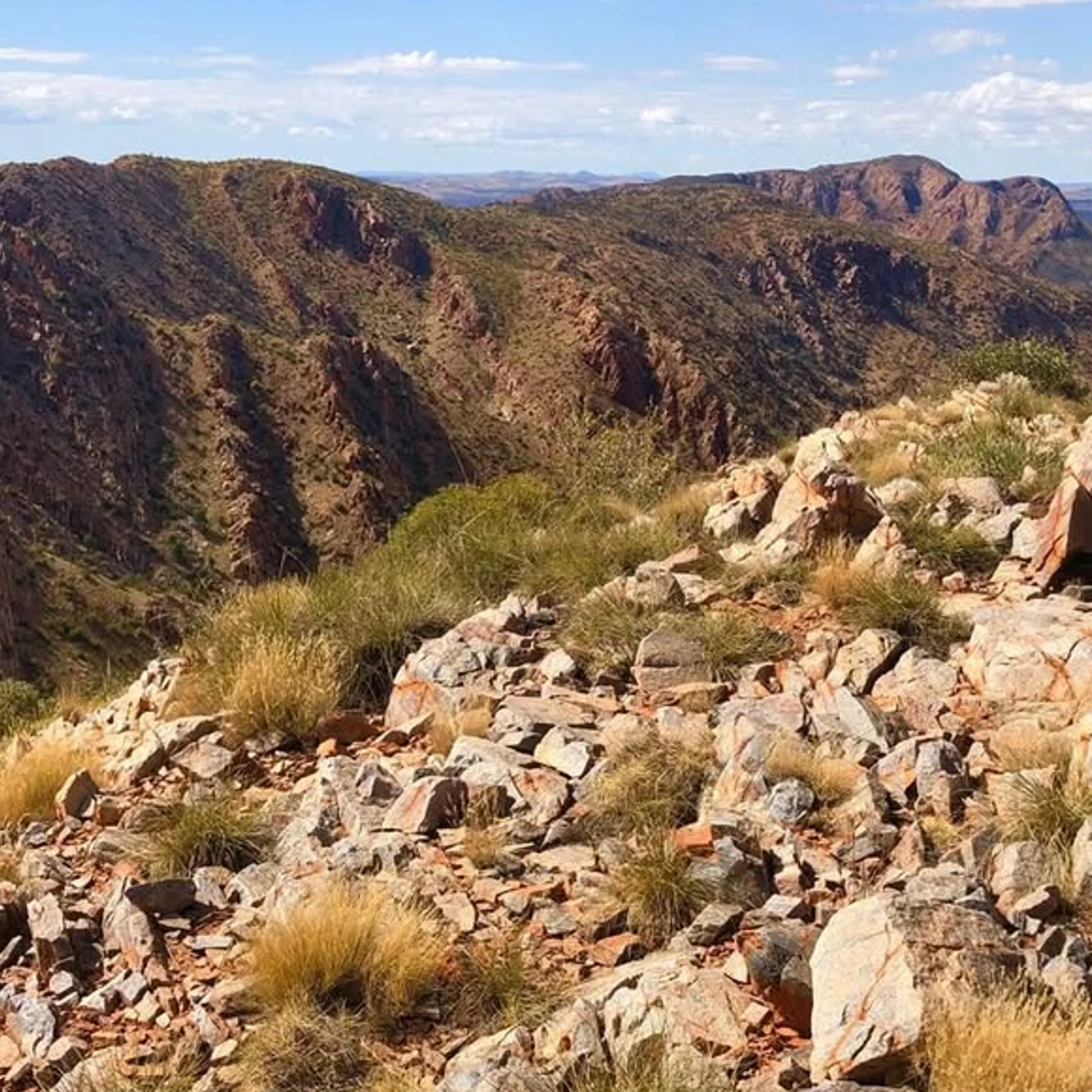
Desert hiking is not an exercise in demonstrating your mettle. You want to come back with the lot of you and the tale of how you heeded the sign rather than spurned it. Be practical about it: check on things, plan for water, have your comms for a remote trail and call it a day early. This holds true for a trip to Uluru or the Larapinta Trail, Kings Canyon or elsewhere in the Red Centre.
